News
Ukrainian Official Condemns UOC Pilgrims Marching to Pochaiv
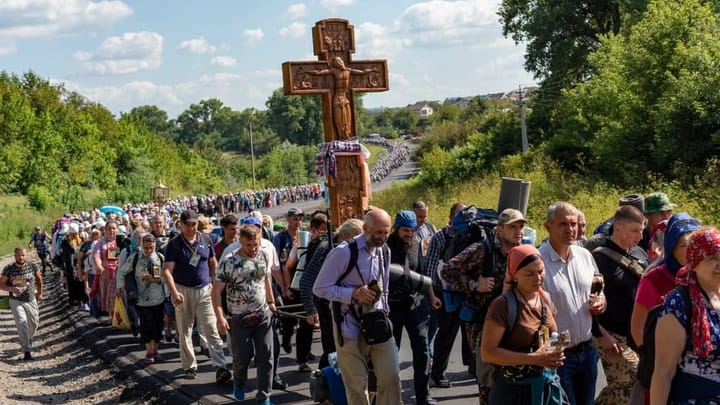
While Roman Malenkov condemned the UOC’s centuries-old pilgrimage to Pochaiv as “absolutely horrifying,” Orthodox believers along the route have responded with prayer, hospitality, and practical support.
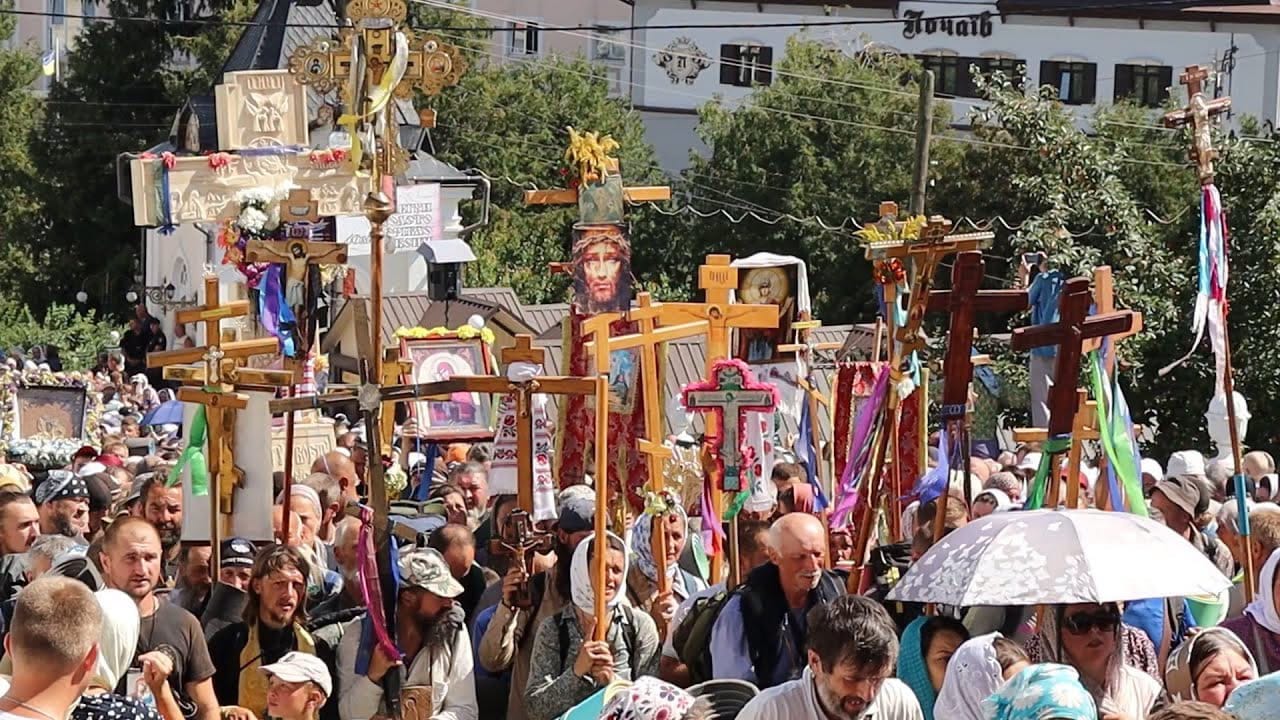
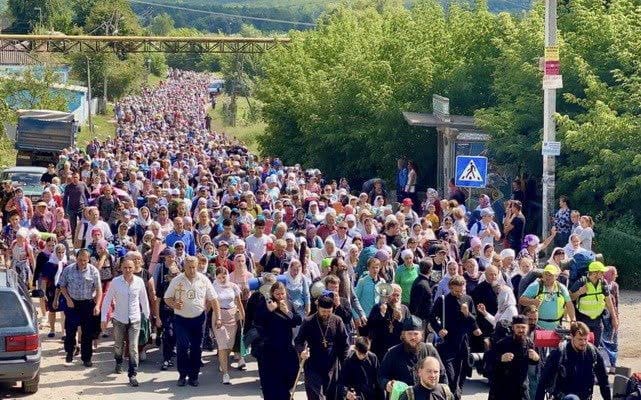
KYIV — As reported by UOJ-Ukraine, Roman Malenkov, director of the Ancient Kyiv National Reserve, has sharply criticized the traditional Ukrainian Orthodox Church (UOC) Cross procession from Kamianets-Podilskyi to the Holy Dormition Pochaiv Lavra, complaining that no one has been able to stop thousands of Orthodox Christians from making the pilgrimage.
“They are marching again, and it is absolutely horrifying,” Malenkov wrote on Facebook. He continued: “Neither the war, nor Russian missiles, nor the Ukrainian authorities – who are behaving rather spinelessly in this case – can stop them. Isn’t this a mass gathering, which is prohibited by law?” He also claimed that “a significant number of them remain pro-Russian waiters,” and wrote, “Their level of organization and sheer numbers are simply terrifying. And this is in western Ukraine.”
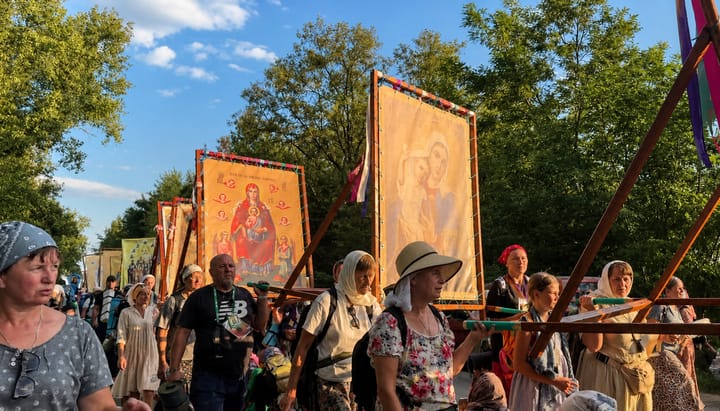
The procession, however, is a nearly 200-year-old Orthodox tradition. It began after a reported miracle at Pochaiv in 1832, when blind girl Anna Akimchukova traveled roughly 130 miles from Kamianets-Podilskyi with her grandmother. After praying before the miraculous Pochaiv Icon of the Mother of God and washing with water from the holy spring, she reportedly regained her sight. In the years before the war, as many as 25,000–30,000 people participated.
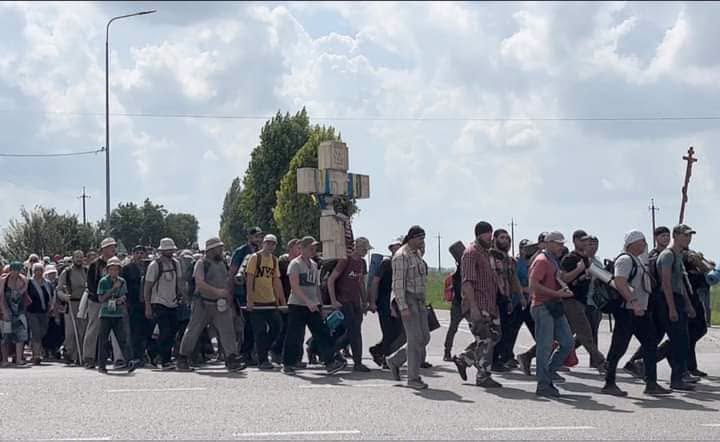
This year’s pilgrimage began Aug. 19 after the Divine Liturgy for the Feast of the Transfiguration. The faithful are expected to cover approximately 150 miles over eight days and arrive at Pochaiv on Aug. 27, the eve of the Dormition.
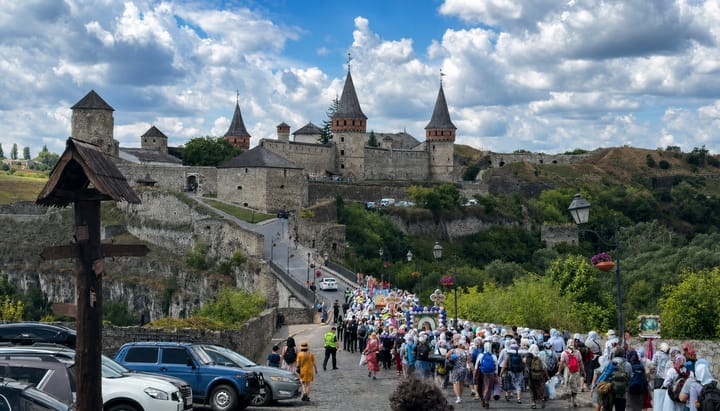
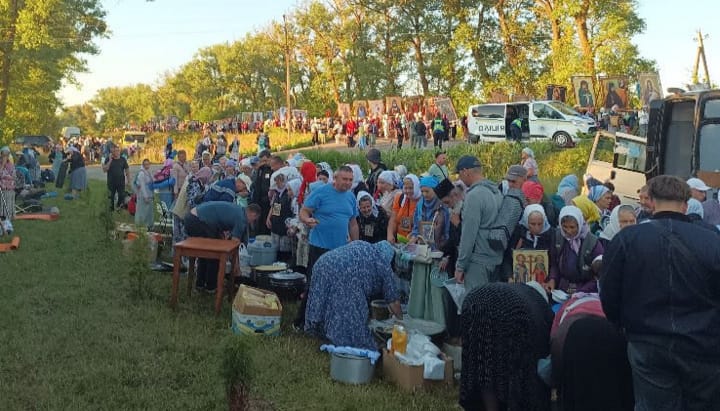
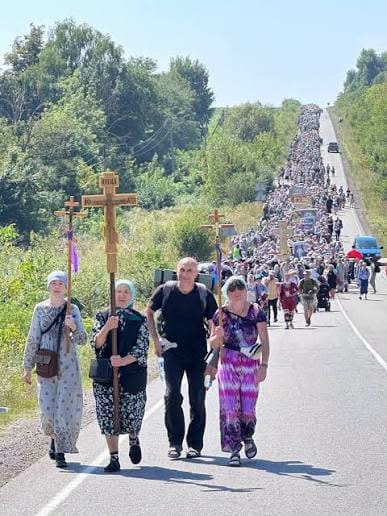

Photos: UOJ-Ukraine
Along the route, Orthodox Christians have welcomed and supported the pilgrims. Believers from the Chernivtsi-Bukovyna Eparchy have provided food and essential supplies, expressing Christian love toward those undertaking the difficult journey. Organizers also said participants are praying for peace in Ukraine, the country’s defenders, and the strengthening of the pilgrims.
The criticism of the procession has also drawn attention to what believers describe as contrasting treatment of religious gatherings. Authorities canceled a traditional procession from Brailiv Monastery to Pochaiv over security concerns, while simultaneously working with police and border guards to facilitate the arrival of tens of thousands of Hasidic pilgrims to Uman.
Participants report that the procession is already nearly 2 miles long — about three quarters of a mile longer than last year — and has grown even larger during its first four days, making this year’s pilgrimage noticeably bigger than the previous one. Particularly large numbers of young people are among the pilgrims. Now in its fourth day, the procession has required participants to walk as much as 20–25 miles per day, beginning as early as 3:30–4 a.m. While some local residents greet the pilgrims respectfully, others have played or sung the Ukrainian national anthem and shouted slogans such as “Glory to Ukraine! Glory to the Heroes!” apparently intended to express opposition or provoke participants. Pilgrims also reported that police in the Khmelnytskyi region have behaved appropriately, treating them well and helping prevent incidents along the route.
Previously, the UOJ reported that DESS ordered Pochaiv Lavra to document its separation from Moscow.
Read also