Man and Church
Why the Church Points Us to the Only Remembrance That Lasts
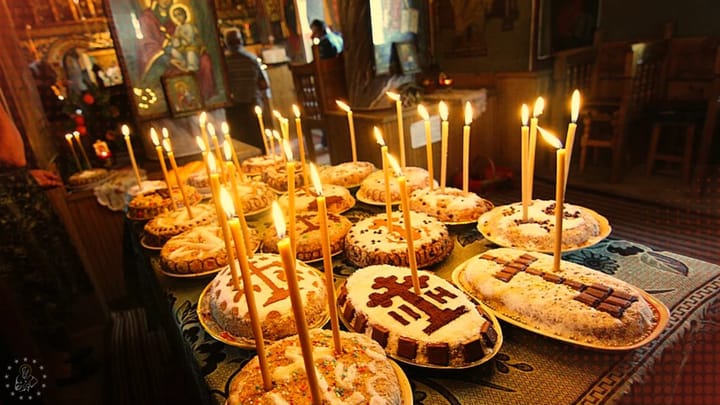
Behind our obsession with documenting, preserving and leaving a legacy lies a quiet anxiety: What happens when no one remembers us?
The fear of being forgotten is not new. It did not begin in the modern age, with its photographs, social media, family archives, memorial posts, achievements, and names carved into buildings — though these all speak to the same innate desire to leave a legacy.
Even in millennia past, people spoke of leaving behind the "best part of them" through the work of their talent. Shakespeare, in Sonnet 18, writes that the one he loves will live forever because his verse will live forever: "So long as men can breathe, or eyes can see, / So long lives this, and this gives life to thee." Horace, in his Odes, claimed to have "built a monument more lasting than bronze," one that would ensure he did not "completely die." The examples could go on.