News
Arizona Supreme Court Rules to Protect Religious Confessions
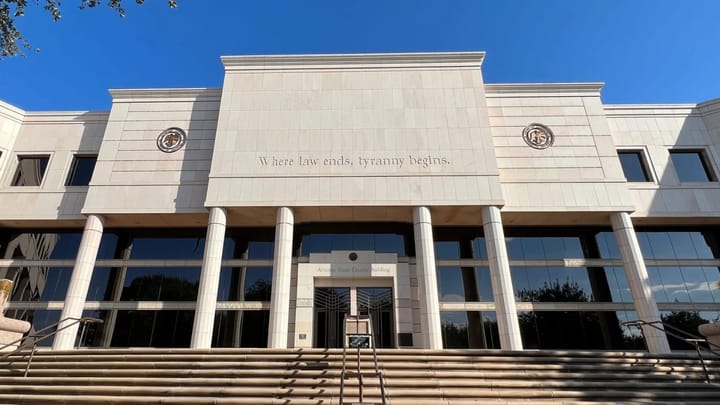
Arizona’s Supreme Court unanimously upheld broad clergy-penitent privilege, reinforcing protections for religious confessions against government intrusion.
PHOENIX — The Arizona Supreme Court unanimously ruled July 30 that courts may not narrowly define what constitutes a religious confession or confidential communication, upholding a broad interpretation of clergy-penitent privilege in a case involving the Church of Jesus Christ of Latter-day Saints.
The case, "Doe v. Corporation of the President of the Church of Jesus Christ of Latter-day Saints," arose from allegations that a church member confessed to sexually abusing his children during the denomination’s formal repentance process. The plaintiffs sued the church and individual clergy members for failing to report the abuse.
The Catholic dioceses of Phoenix, Tucson, and Gallup supported the church in a friend-of-the-court brief, arguing that permitting civil courts to determine whether a confession is valid would interfere with church autonomy and religious freedom. They warned that requiring Catholic priests to disclose sacramental confessions would force them to choose between violating the seal of confession and facing civil or criminal penalties.
Vice Chief Justice John Lopez IV wrote that the First Amendment prevents courts from resolving questions involving a religious tradition’s doctrine, discipline, and internal procedures, including what constitutes a confession or confidential communication.
The decision was criticized by the SNAP Survivors Network, while Arizona lawmakers defending the privilege cited religious liberty concerns. The ruling also follows other court decisions protecting clergy from compelled disclosure of information received in confession.
Previously, the UOJ reported that the Supreme Court temporarily allowed mail-order abortion drug access.
Read also