News
Metr. Saba: Confession Is More Than Absolution
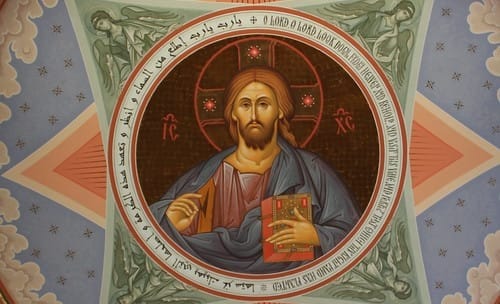
Metr. Saba presents confession not as a legal formality, but as part of the Church’s work of spiritual healing through self-knowledge and repentance.
ENGLEWOOD, NJ — In the second installment of his reflections on confession, Metr. Saba of the Antiochian Orthodox Christian Archdiocese of North America has emphasized confession as a process of spiritual healing, describing the priest as a physician whose task is to help people recognize their sins, repent, and restore their communion with God.
In the second part of his article, “The Sacrament of Confession,” Metr. Saba describes the Church as a hospital for the spiritually ill, where people are healed and grow in Christ. He writes that the Church’s work extends beyond social welfare and physical care, with spiritual healing as its central purpose.
The Metropolitan explains that Orthodox Christianity does not regard confession as merely a formal declaration of sins followed by absolution. Rather, it is part of a broader process of treatment and purification. Drawing on St. John Climacus, St. Symeon the New Theologian, and St. John Chrysostom, he describes the priest as a spiritual physician and guide who helps the faithful confront their passions and progress in the spiritual life.
Metr. Saba identifies self-knowledge as the first step toward confession. People must recognize their sins and understand their spiritual condition before they can seek healing. He says priests should help the faithful develop this awareness through their own example, teaching about the spiritual life, the lives of the saints, and the Gospel.
He then identifies repentance as the second essential element. The purpose of confession, he writes, is not simply to make people socially respectable or virtuous, but to bring forgiveness, spiritual healing, and deeper communion with God.
Previously, the UOJ reported that Metr. Saba consecrated a Tucson church and ordained a deacon in Arizona.
Read also