News
UOC Seminarian Faces Up to 10 Years in Prison for Refusing to Bear Arms
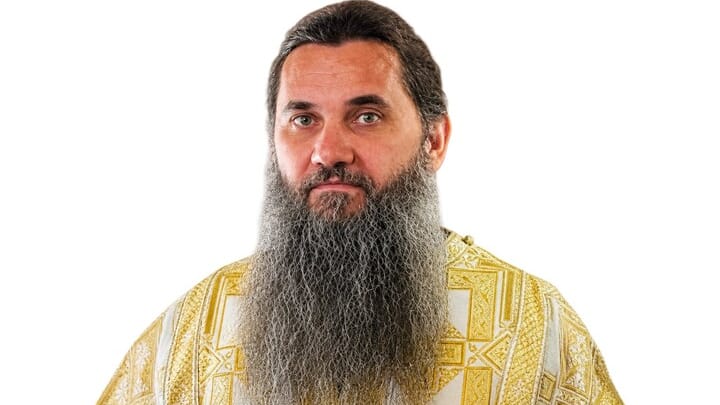
Valentyn Lozovnyi, a Kyiv seminary student and altar server, has spent more than seven months in pretrial detention over his refusal to use weapons on religious grounds.
KYIV — A court in Ukraine's Chernihiv Region is hearing the case of Valentyn Lozovnyi, a student at the Kyiv Theological Seminary who faces up to ten years in prison after refusing to bear arms during military training on religious grounds.
Lozovnyi served as an altar server at Kyiv's Holy Cross Church and was preparing ordination to the diaconate. According to his lawyer, Archpriest Nikita Chekman, he was detained at a checkpoint in August 2025 and declared fit for military service the same evening. His defense argues that the medical commission lacked a specialist qualified to assess his health conditions, which have affected him since childhood.
The following day, Lozovnyi was sent to a training center in Desna. He refused to take an oath while holding a weapon or participate in shooting exercises, citing his religious convictions and health.
He was subsequently charged with disobedience and refusal to perform military service under martial law. Both charges carry potential prison terms of five to 10 years. After spending more than seven months in pretrial detention, he was released on bail.
His lawyers have challenged the medical commission's assessment in administrative court and submitted medical records disputing the fitness determination. Further expert examinations and court hearings are expected.
Fr. Chekman has also cited a previous Supreme Court decision recognizing that conscription does not automatically remove a person's right to refuse to bear arms on religious grounds. The defense is seeking to have that principle applied in Lozovnyi's case.
The charitable foundation Freedom of Conscience has launched a fundraiser to cover legal expenses and expert examinations, seeking 80,000 hryvnias in donations.
Previously, the UOJ reported a UOC Metropolitan accused Yelensky of continuing Soviet-era persecution.
Read also