

Ukraine Adviser: UOC Not Banned, but Offered a “Choice” of Jurisdictions

A Ukrainian presidential adviser said the UOC is not banned but pressured to choose between joining the OCU, submitting to Constantinople, or remaining unregistered, while dismissing international concerns as propaganda.
BRUSSELS — An adviser to the Deputy Head of Ukraine’s Presidential Office has said that the Ukrainian Orthodox Church (UOC) is not being banned but is instead being offered alternative jurisdictions. Speaking in Brussels at the forum “Resilient Europe: Countering Russian Disinformation and Propaganda,” Viktoriia Tytarenko stated that the authorities have not outlawed the UOC despite ongoing evidence and criticism of them doing so.
According to Tytarenko, UOC clergy and communities are being given a "choice" to either unite with the Orthodox Church of Ukraine (OCU), transfer under the jurisdiction of the Ecumenical Patriarchate of Constantinople, or continue operating as unregistered religious communities. She did not clarify whether such proposals have been formally communicated by the government.
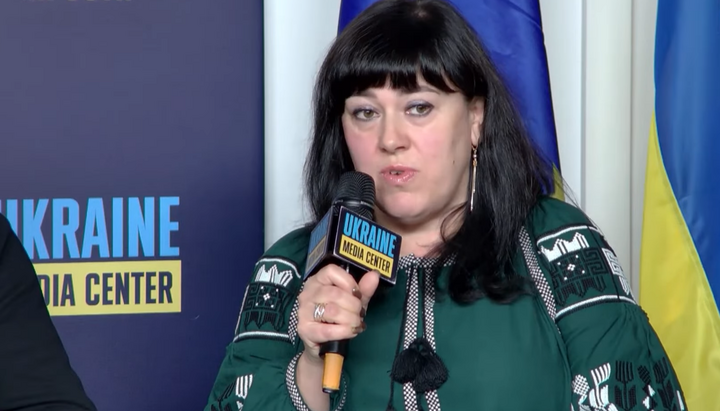
Tytarenko also criticized the United Nations and the World Council of Churches for statements expressing concern over violations of religious freedom involving the UOC, calling them misleading and harmful narratives. She further claimed that Ukrainian authorities have uncovered an alleged network of collaborators within the UOC, while acknowledging that not all clergy are implicated.
Previously, the UOJ reported on a priest-blogger from the OCU who calls traditional Nativity fast rules a Russian invention.