

New Puerto Rico Statute Grants Personhood Rights to the Unborn
Puerto Rico has passed a new law recognizing unborn children as legal persons from conception, extending them civil protections while affirming that women’s legal decision-making authority under existing law remains unchanged.
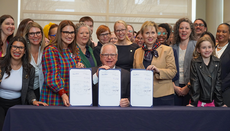
SAN JUAN, PUERTO RICO — Puerto Rico has enacted new legislation recognizing unborn children as legal persons, granting them the same fundamental rights as other human beings under the territory’s Civil Code. Republican Governor Jenniffer González-Colón signed Senate Bill 504 into law last week, making the measure effective immediately.
The law states that “every human being is a natural person,” explicitly including a child conceived at any stage of gestation. It affirms that unborn children possess legal personality and capacity for purposes favorable to them, such as inheritance rights, health insurance protections, personal injury claims, and certain labor-related benefits claimed by parents on their behalf. Legal representation for the unborn child is assigned to the individual who will exercise it after birth, or to a guardian if necessary.
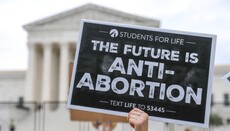
The legislation also specifies that the rights recognized for unborn children do not limit a pregnant woman’s legal authority to make decisions regarding her pregnancy. The bill passed the Puerto Rico Senate 18–6 and the House of Representatives 40–12, drawing praise from pro-life advocates and criticism from abortion-rights groups.
Previously, the UOJ reported that the Moscow Synod had declared a day of prayer against abortion.