



Ancient Monastic Complex Found in Egypt
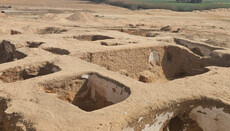
A newly discovered Egyptian site highlights the scale and sophistication of early monastic life.
AL-QALĀYĀ, EGYPT — Egyptian archaeologists have uncovered a 5th-century guesthouse at the Al-Qalāyā site, part of what the Supreme Council of Antiquities describes as the second-largest organized monastic complex in Christian history. The find sheds new light on the scale of early monastic communities in the Nile Delta.
The structure contains 13 rooms, including monk cells, shared quarters, teaching spaces, and guest accommodations. A prayer area oriented eastward features a limestone cross set into a niche. Wall paintings discovered at the site depict monastic figures alongside plant and geometric designs, including a mural of two gazelles framed by botanical motifs.
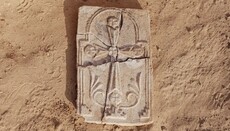
Other finds include pottery, inscribed ceramics, animal bones, seashells, and a Coptic funerary inscription referencing “Apa Kyr, son of Shenouda.” Researchers say the discovery offers a clearer picture of how these communities lived—and shows that organized monastic life flourished in the Nile Delta, not just Upper Egypt.
Previously, the UOJ reported that a hierarchal service was held at the ruins of Forty Martyrs Monastery in Albania.