News
Metr. Saba Examines the “Cross of Pleasure” in Third Reflection
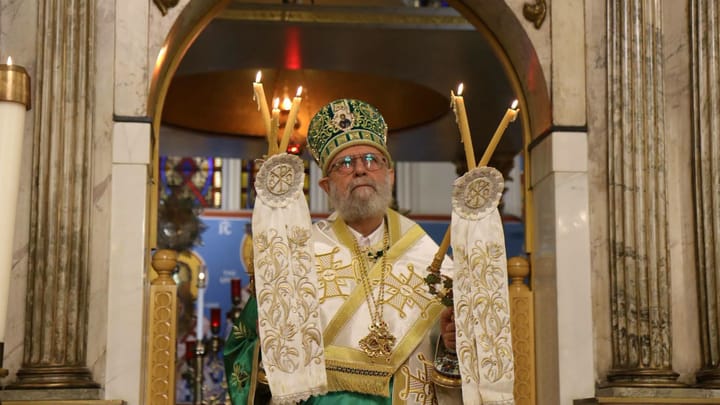
Metr. Saba’s third reflection on the Cross examines how pleasure pursued apart from God can become a source of enslavement, while repentance transforms suffering into a path toward freedom and spiritual life.
ENGLEWOOD, NJ — Metr. Saba (Isper) has published the third installment of his reflections on the Cross, titled “The Cross of Pleasure.” In the new article, the hierarch examines the spiritual consequences of pursuing pleasure apart from God and contrasts them with the transforming power of accepting trials in Christ.
Metr. Saba writes that trials received in the name of Christ can produce steadfastness, patience, tenderness of heart and spiritual strength, ultimately becoming a cross that leads toward resurrection. Pleasure pursued apart from God, however, can produce a cycle of temporary satisfaction followed by emptiness, weariness and despair. A person may respond to that emptiness by seeking increasingly intense pleasures, eventually becoming enslaved to them.
Drawing on the teaching of St. Maximus the Confessor, Metr. Saba describes such pursuits as “blind pleasure,” because they focus on immediate gratification without consideration for God, one's neighbor or the spiritual consequences of one's actions. He argues that the problem is not the human body or material creation itself, but how a person chooses to use them and what the soul ultimately seeks.
The Metropolitan says that breaking this cycle requires repentance, which he describes as a “change of mind,” and a turning toward God. When a person replaces attachment to earthly things with love for divine things, he writes, suffering and temptation can acquire a new meaning. Rather than remaining enslaved to worldly desires, the person can begin experiencing the Cross as a path toward freedom and spiritual life.
Metr. Saba concludes by turning to St. Paul’s description of the Christian life as being “afflicted in every way, but not crushed” and “sorrowful, yet always rejoicing.” The Cross, he writes, restrains the passions while allowing them to be transformed, leading ultimately to true vision and freedom. “Whoever is nourished by the Cross is nourished by the Tree of Life,” he concludes, citing the teaching of the Church Fathers.
Previously, the UOJ reported that Metr. Saba said the Cross transforms suffering into a path to life.
Read also