Man and Church
"The Beginning of our Salvation": The Nativity of the Theotokos
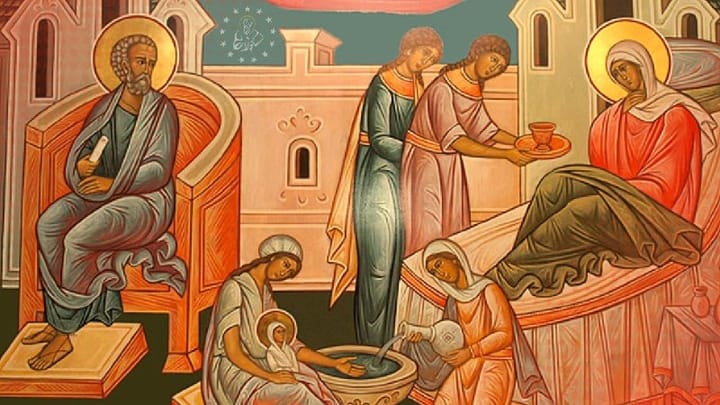
Reflections on the first great feast of the liturgical year and the importance of the Mother of God in our salvation
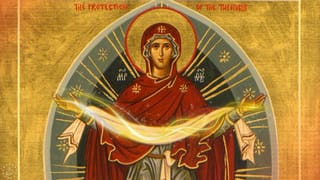
On September 8, the Orthodox Church celebrates the Nativity of the Most Holy Theotokos. Traditionally, saints are honored on the dates of their repose, or in some cases on the “translation” (transfer) of their relics. Only three nativities (births) are celebrated universally in the Church: that of Christ (December 25), His most pure Mother (September 8), and St. John the Forerunner (June 24). The Church liturgically honors their conceptions, as well.
The exact date of the birth of the Mother of God is not attested in Scripture, but its observation on September 8 dates back to antiquity. According to one tradition, a hermit in the 5th century heard angelic singing on the 8th of September and learned that the Heavens were celebrating the birth of the Virgin. The first hymns to the feast were composed in the East by St. Romanus the Melodist (Oct. 1) in the 6th century. In the West, Pope St. Sergius officially adopted the feast from Byzantium in the 7th century. Indeed,St. Sergius so loved the Mother of God that he was even given the honor of a blessed repose on this date: September 8, 701.
Read also