News
Church of Greece Examines Clergy’s Online Presence and Social Media Risks
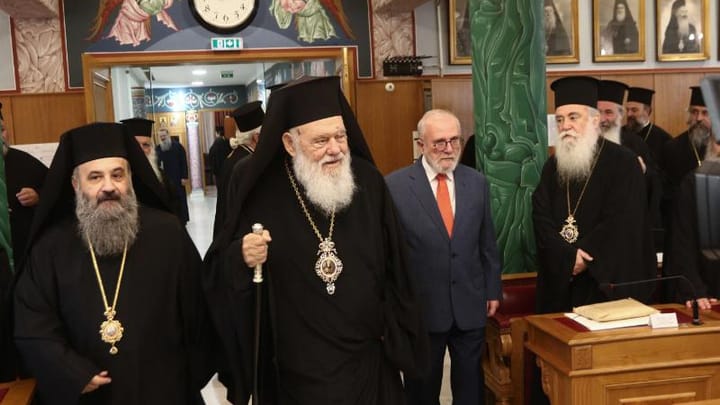
The Church of Greece urged clergy to use digital platforms for pastoral outreach while safeguarding ecclesiastical unity, confidentiality, and spiritual responsibility.
ATHENS, GREECE — The Holy Synod of the Church of Greece examined the growing online presence of clergy during its October 6–7, 2026, meeting, with Metr. Chrysostomos of Chalkida outlining the pastoral opportunities and spiritual dangers of digital communication.
In its communique, the Synod emphasized that “The presence of people in the digital space is now a daily reality and, as such, constitutes a field of reflection and pastoral responsibility for the Church.” It also stressed that “The Church does not reject new data, nor does it accept them uncritically.”
Metr. Chrysostomos argued that clergy should engage online while exercising discernment. “I believe that reality itself has already provided a positive and indisputable answer to the hypothetical question of whether clergy should use the internet,” he stated in his presentation to the Hierarchy.
However, the Metropolitan warned that social media can encourage personal celebrity, excessive online activity, and divisions within the Church. He observed that “technological progress requires corresponding spiritual progress,” calling clergy to greater responsibility as their communication capabilities expand.
He also cautioned against clergy building personality-centered followings rather than directing people toward Christ and the Church. His presentation emphasized that online popularity must not undermine ecclesiastical unity or accountability to bishops.
Among his proposed principles were verifying information before sharing it, protecting pastoral confidentiality, avoiding abusive language, and ensuring digital communication encourages participation in parish life.
Concluding his address, Metr. Chrysostomos asked how the Church could remain accessible without losing its identity. “We need clergy who can use modern tools without being used by them,” he declared, calling for pastoral discernment, humility, and an authentically ecclesial approach to digital ministry.
Previously, the UOJ reported that a ROCOR diocese adopted a social media policy for clergy.
Read also