News
Diocese Warns Kosovo Policies Threaten Survival of Serbian Orthodox Church
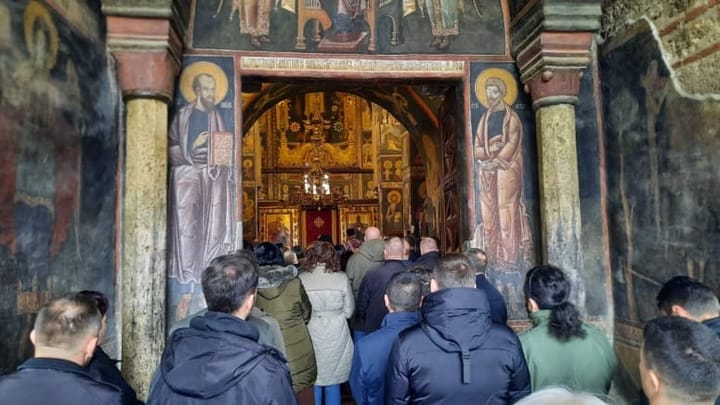
The Diocese of Raška and Prizren warned that continued institutional pressure against Kosovo's Serbian community threatens both religious freedom and the region's long-term stability.
GRAČANICA AND PRIZREN, KOSOVO — The Diocese of Raška and Prizren has issued a statement warning that the Serbian Orthodox Church and the Serbian community in Kosovo face mounting institutional pressure that threatens their long-term future. Church leaders said years of dialogue with Kosovo authorities and international representatives have failed to halt what they described as a pattern of discrimination, leaving trust in Kosovo institutions — particularly the Kosovo Police — at its lowest level since the end of the 1998–99 conflict.
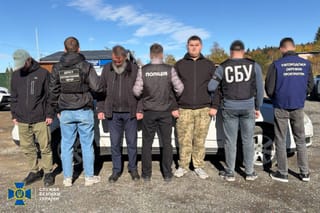
The statement cited numerous examples to support its concerns, including the detention of dozens of Serbs following this year's Vidovdan commemoration at Gazimestan, alleged police mistreatment of detainees, restrictions on religious activities, and what it called inadequate investigations into attacks against Serbian Orthodox churches. The diocese also expressed alarm over the enforcement of laws affecting Serbian-majority communities, disputes involving Special Protective Zones surrounding Orthodox monasteries, and repeated obstacles to accessing church-owned property. It argued that these developments have contributed to an atmosphere in which many Serbs no longer feel protected by state institutions.
The diocese urged Kosovo authorities to apply the law equally, conduct independent investigations into alleged abuses by police, protect church property, and fully enforce legal safeguards for Serbian Orthodox heritage. It also appealed to the international community to maintain its diplomatic and security presence, including KFOR's (a NATO-led international peacekeeping mission in Kosovo) protection of Visoki Dečani Monastery, warning that reducing international involvement could increase instability. Reaffirming its commitment to peace, dialogue, and the rule of law, the Serbian Orthodox Church said lasting stability cannot be achieved if one community continues to experience discrimination and insecurity.
Previously, the UOJ reported that a conference in Belgrade examined modern ecumenism and Orthodox identity.
Read also