News
Estonia Gives Orthodox Church Six Months to Comply With New Law
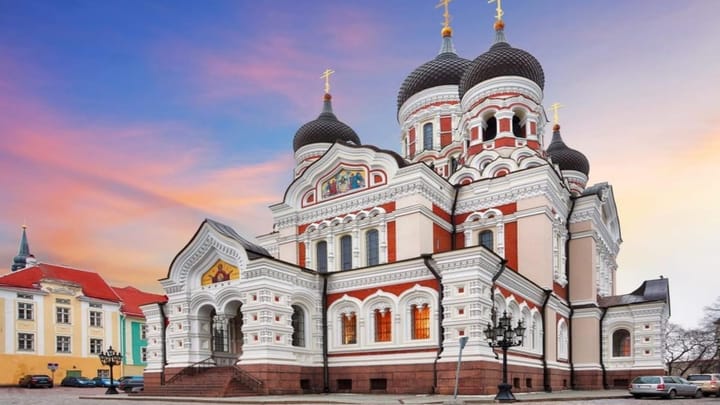
The government has threatened to dissolve the EOCC if it does not redefine its governance.
TALLINN, ESTONIA — The Estonian government has given the Estonian Orthodox Christian Church six months to comply with new legal requirements that prohibit religious organizations from maintaining governance ties with foreign religious leaders deemed to pose a threat to the country's national security. The Church – which has rejected the claims of the government, along with several Supreme Court justices – has until Dec. 28 to make the required changes or face possible legal proceedings that could lead to its dissolution.
The deadline follows amendments to Estonia's Churches and Congregations Act that took effect June 27. In a letter sent to all religious associations, the Ministry of the Interior outlined the new requirements, though the legislation is expected to have its greatest impact on the Estonian Orthodox Christian Church because of its historical affiliation with the Moscow Patriarchate. Church spokesman Bp. Daniel said the church will use the six-month period to study how the law will be implemented before determining how to proceed.
Ministry officials said the church must appoint a new metropolitan because its current leader, Metr. Eugene, left Estonia in early 2024 after authorities declined to renew his residence permit on national security grounds. Officials also said the church must remove governance provisions that require approval from Patr. Kirill of Moscow for major administrative decisions.
Historians say revising the church's statutes may prove less complicated than addressing its 1993 Tomos, the founding document that defines its relationship with the Moscow Patriarchate. Legal experts expect the matter could ultimately return to the courts, where judges may be asked to determine whether the church has sufficiently ended its institutional ties with Moscow under Estonia's new law.
Previously, the UOJ reported that Estonia accused Orthodox nuns of espionage amid rising religious tensions.
Read also