News
Relics of St. Chryssi Received in Her Greek Birthplace
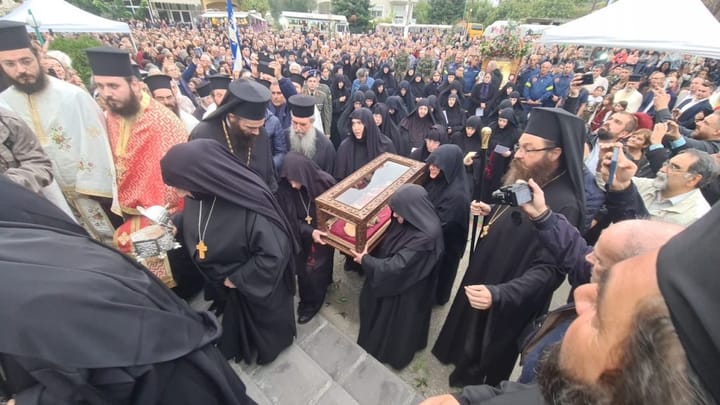
The relics of St. Chryssi returned to her birthplace after scientific testing linked them to the young Christian martyr killed in 1795.
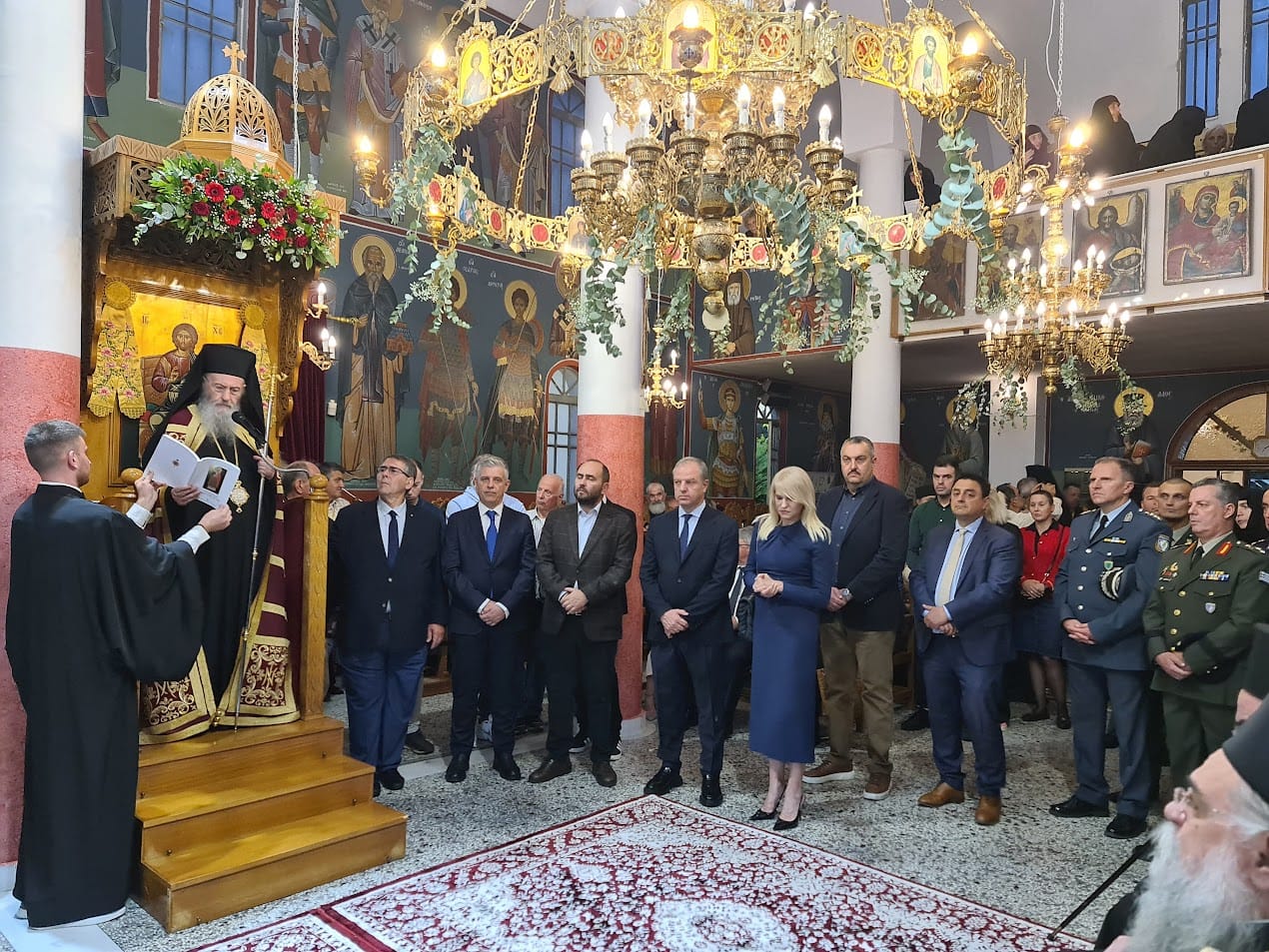
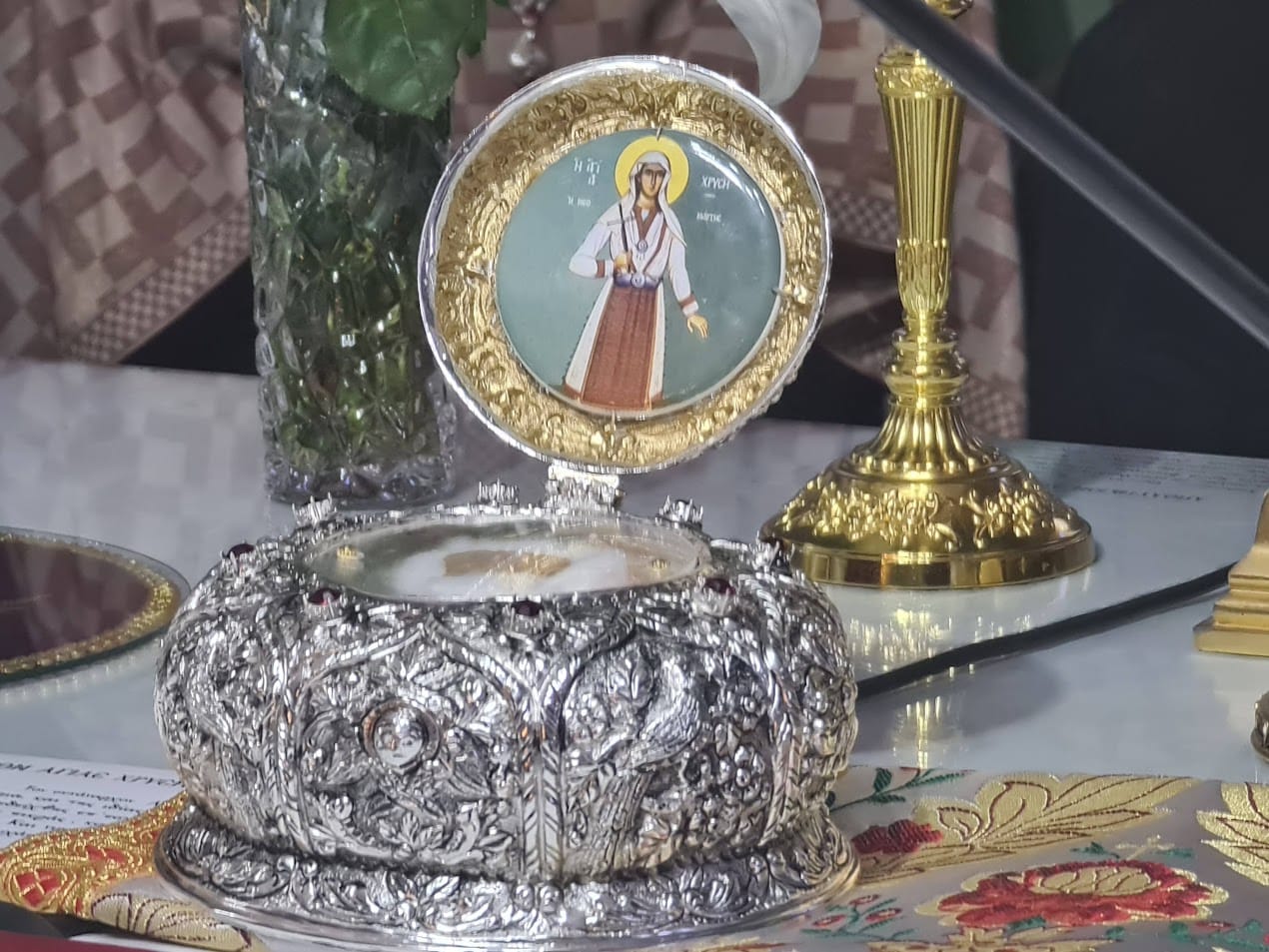
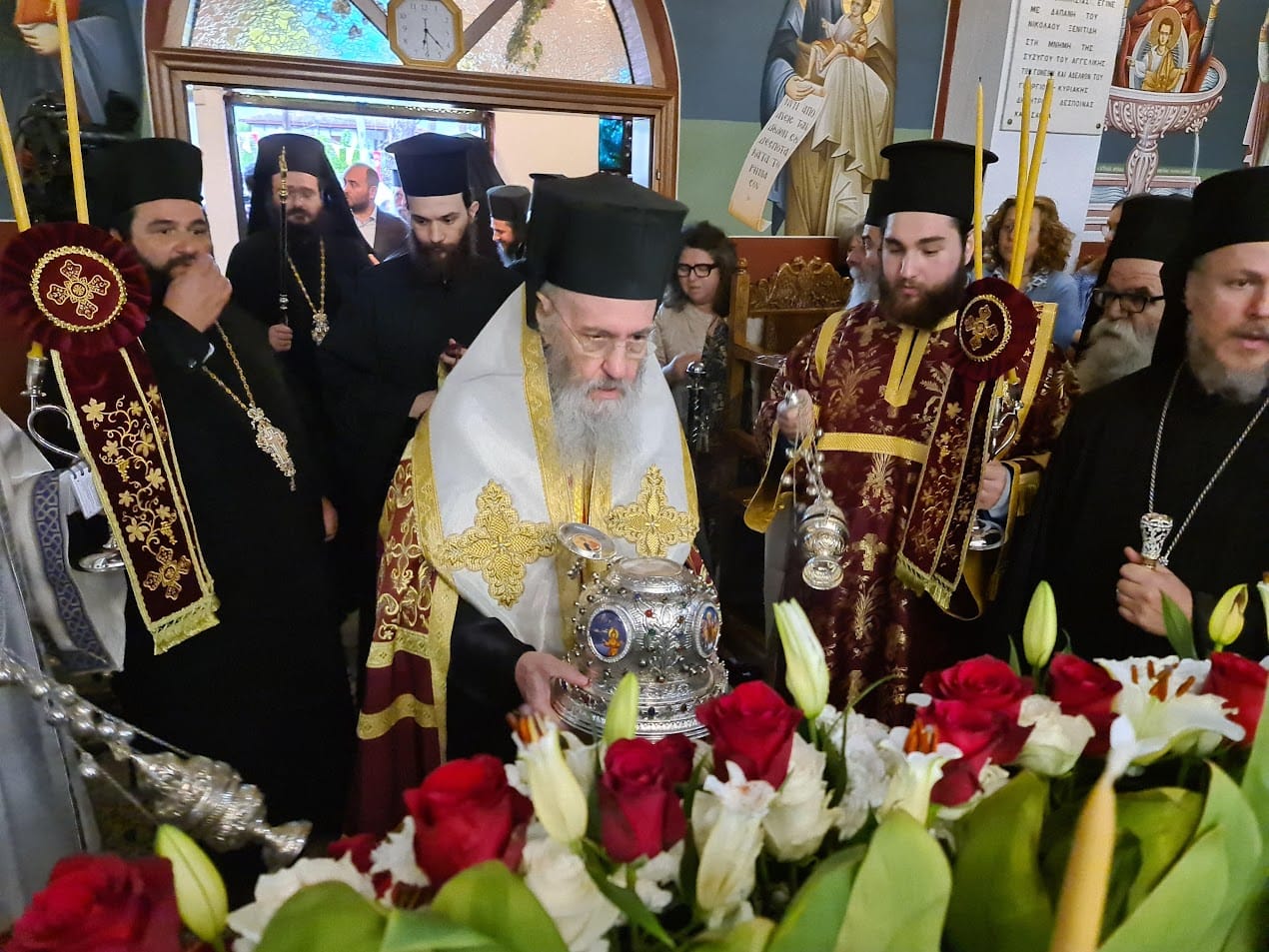
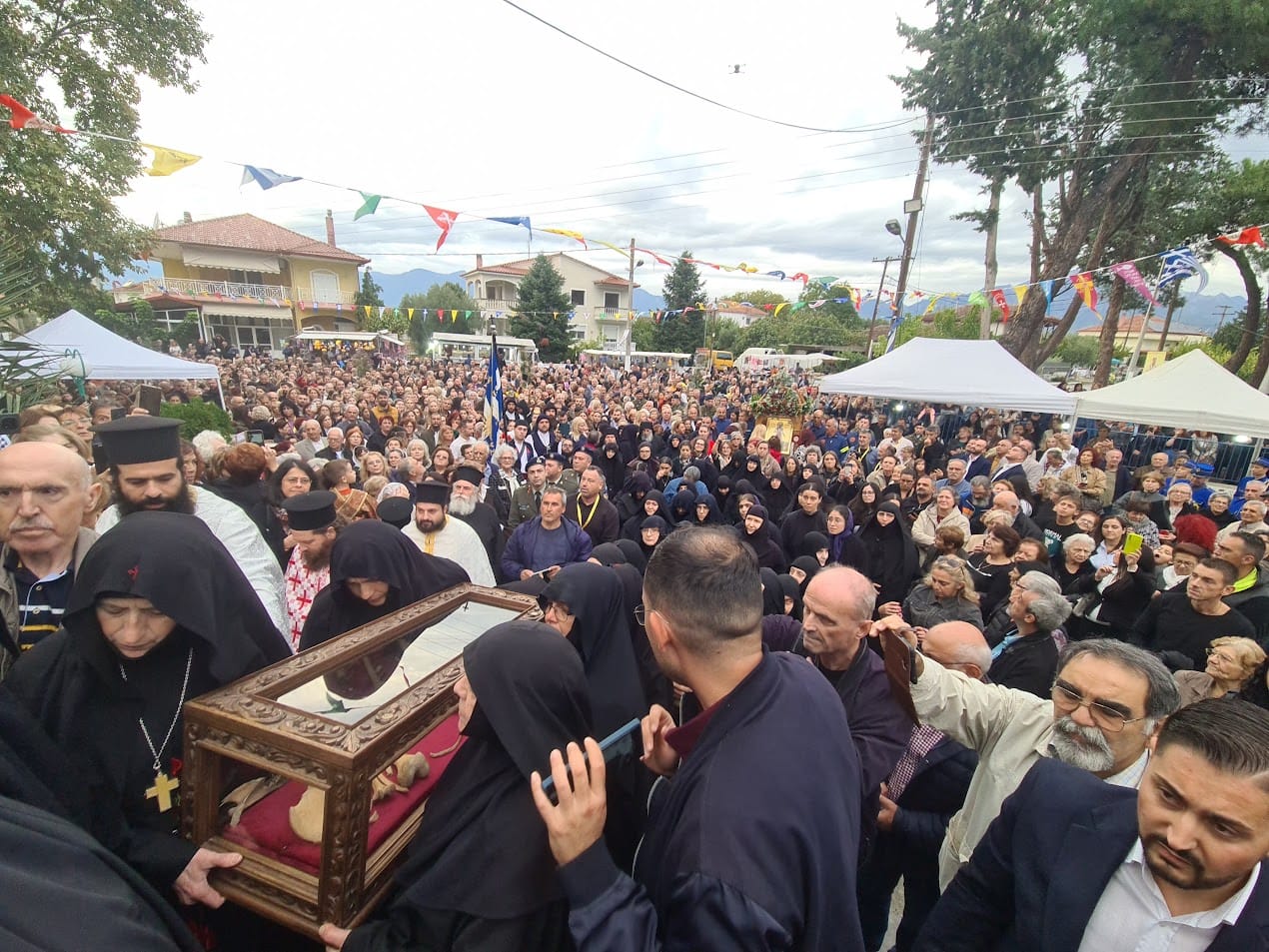
PELLA, GREECE — The holy relics of St. Neomartyr Chryssi were solemnly received in her birthplace of Chrysi Almopia on October 12, 2026, marking a landmark occasion for the Holy Metropolis of Edessa, Pella, and Almopia. The relics were identified through scientific testing as belonging to the young woman martyred in 1795.
The relics arrived at 6 p.m. and were received at the village entrance by a procession of nuns with an honorary escort. They were then carried to the entrance of the parish church dedicated to St. Chryssi, where they were welcomed by Metr. Joel of Edessa, Pella, and Almopia; Metr. Hierotheos of Nafpaktos; and Bps. Makarios of Glavina, Christophoros of Amphipolis, and Stefanos of Almopia, along with clergy from across Greece.
Metr. Hierotheos presided at Vespers and spoke about those who demonstrate their love for Christ by honoring the saints. He identified four groups as patrons of St. Chryssi: St. Nicodemus the Athonite, who recorded her life; St. Kallinikos, former Metropolitan of Edessa, who encouraged the establishment of her feast and church; Metr. Joel, who composed her liturgical service and inaugurated her church; and the faithful of the local metropolis.
The relics’ recovery followed laboratory testing in Germany, which reportedly identified the remains as those of a young woman about 17 years old who died in 1795, consistent with the saint’s life. St. Chryssi was abducted and pressured to renounce Christianity and marry a Turk. After refusing, she endured torture and was killed on October 13, 1795.
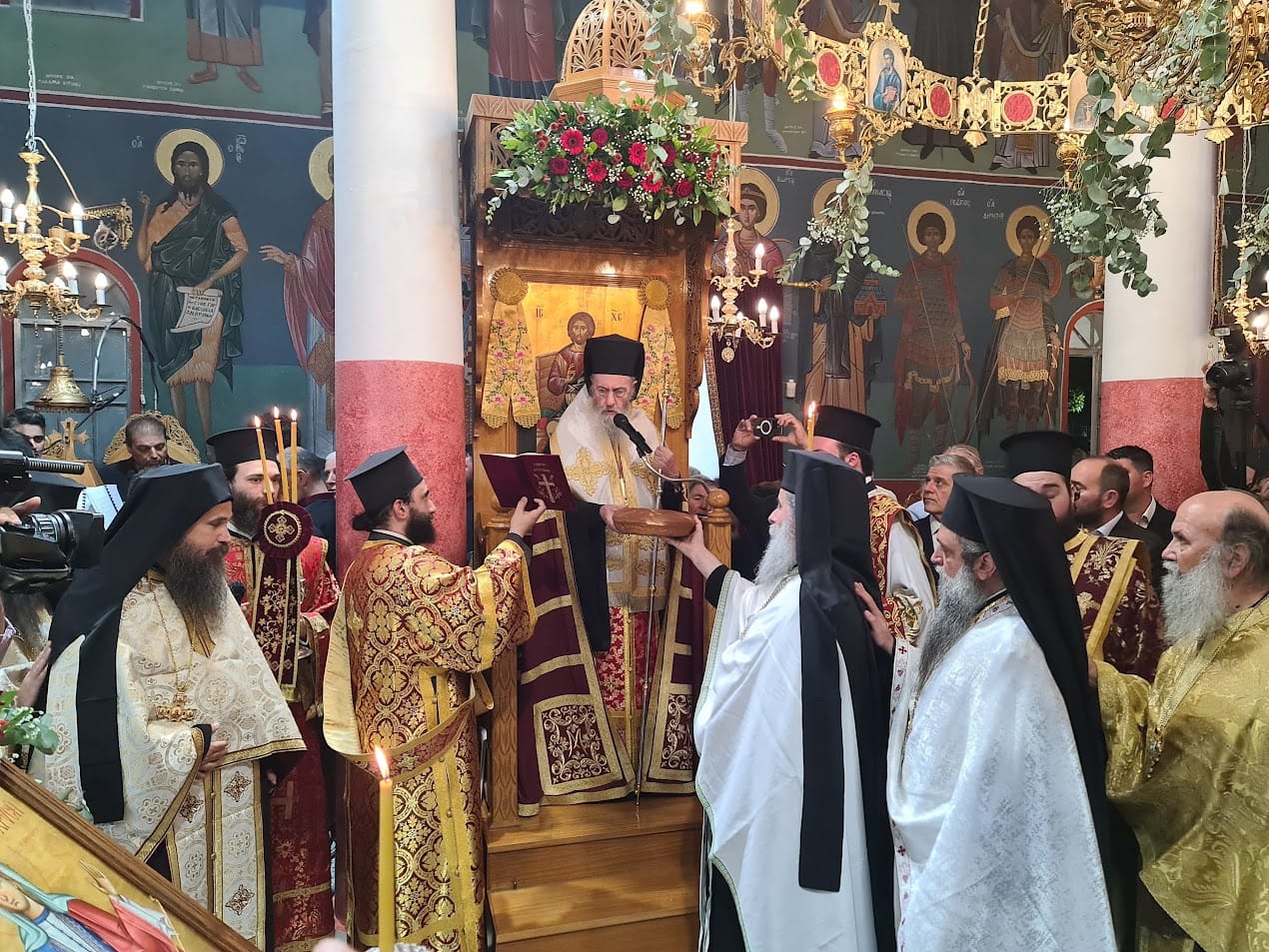
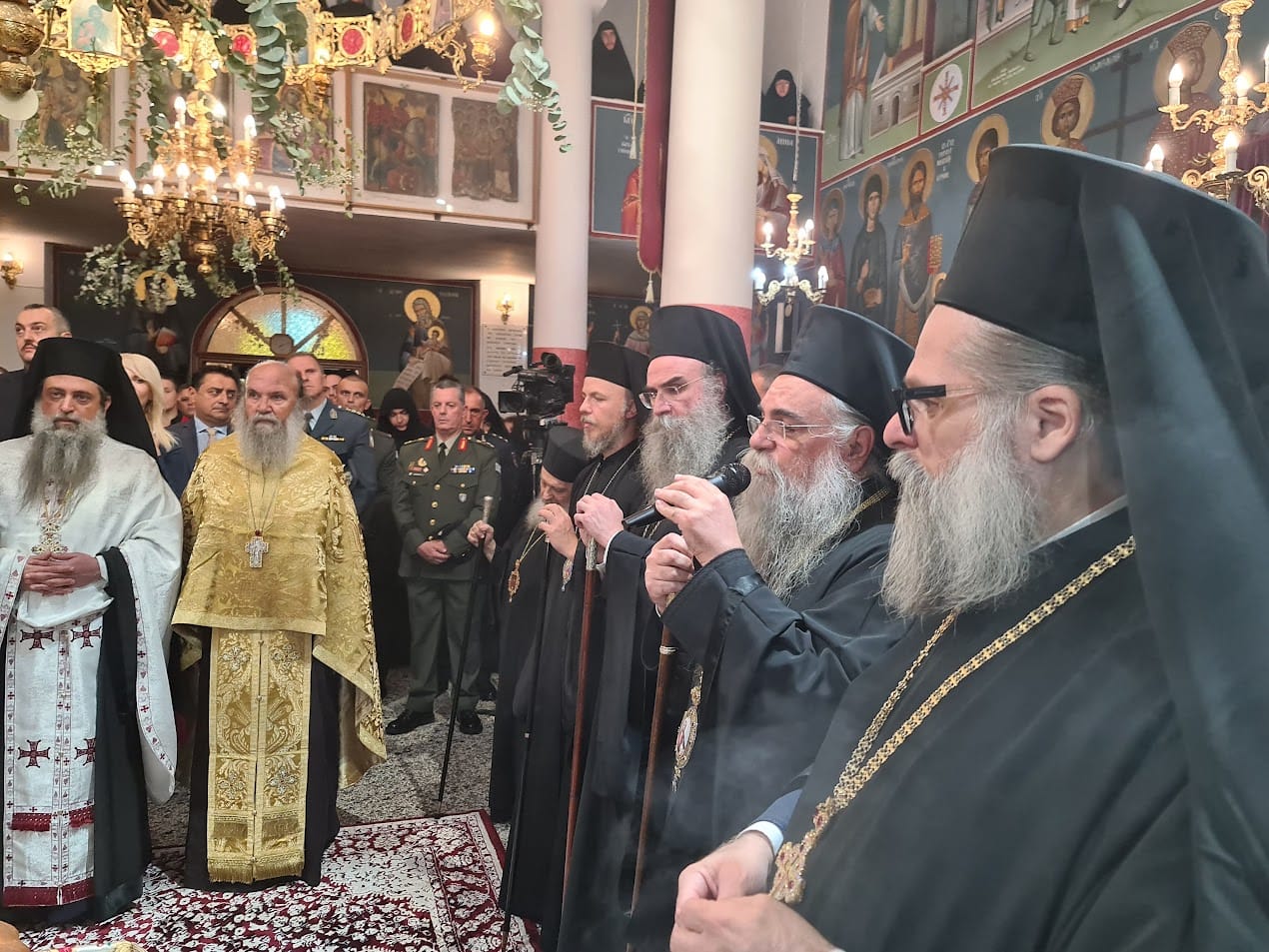
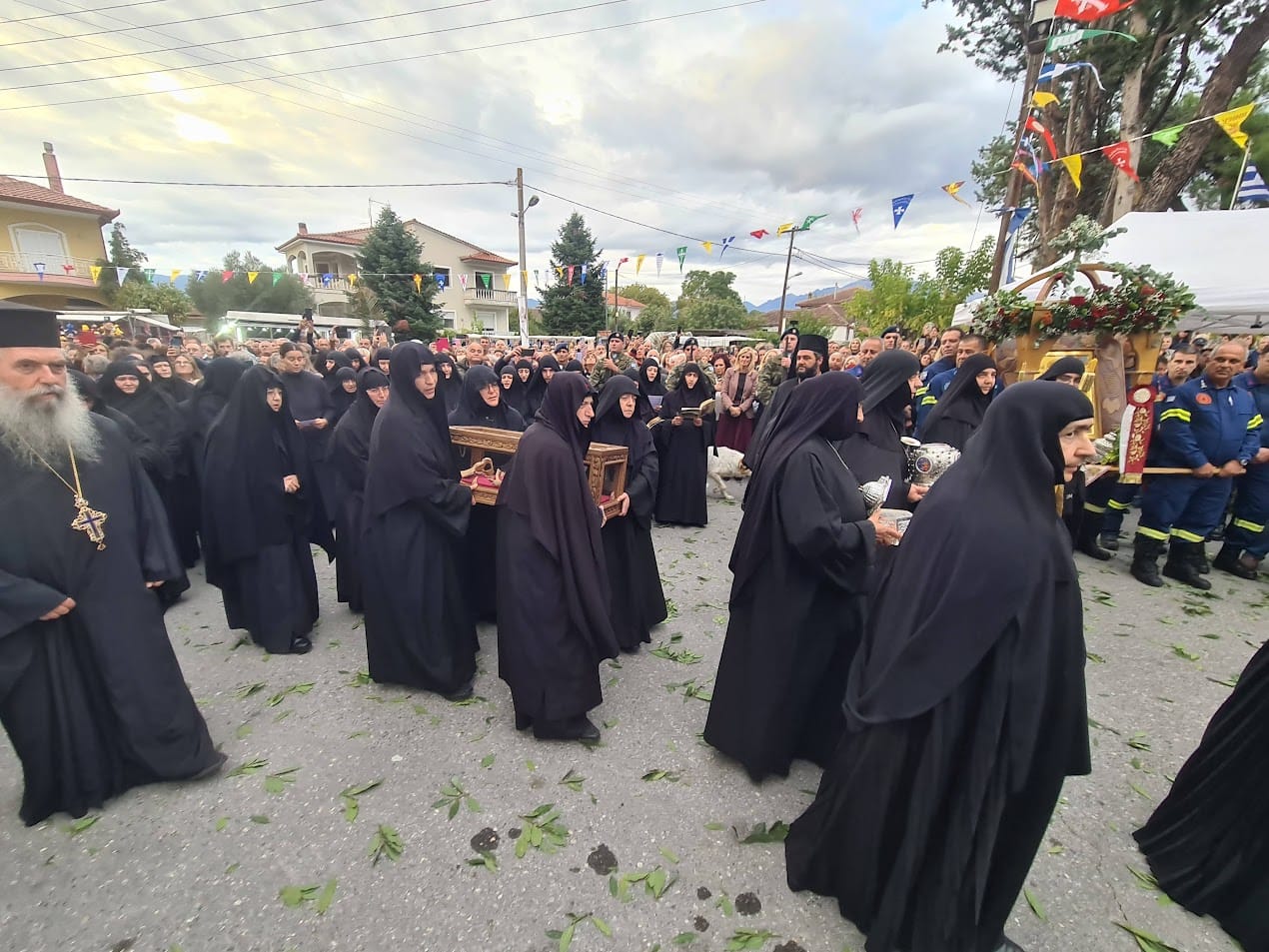
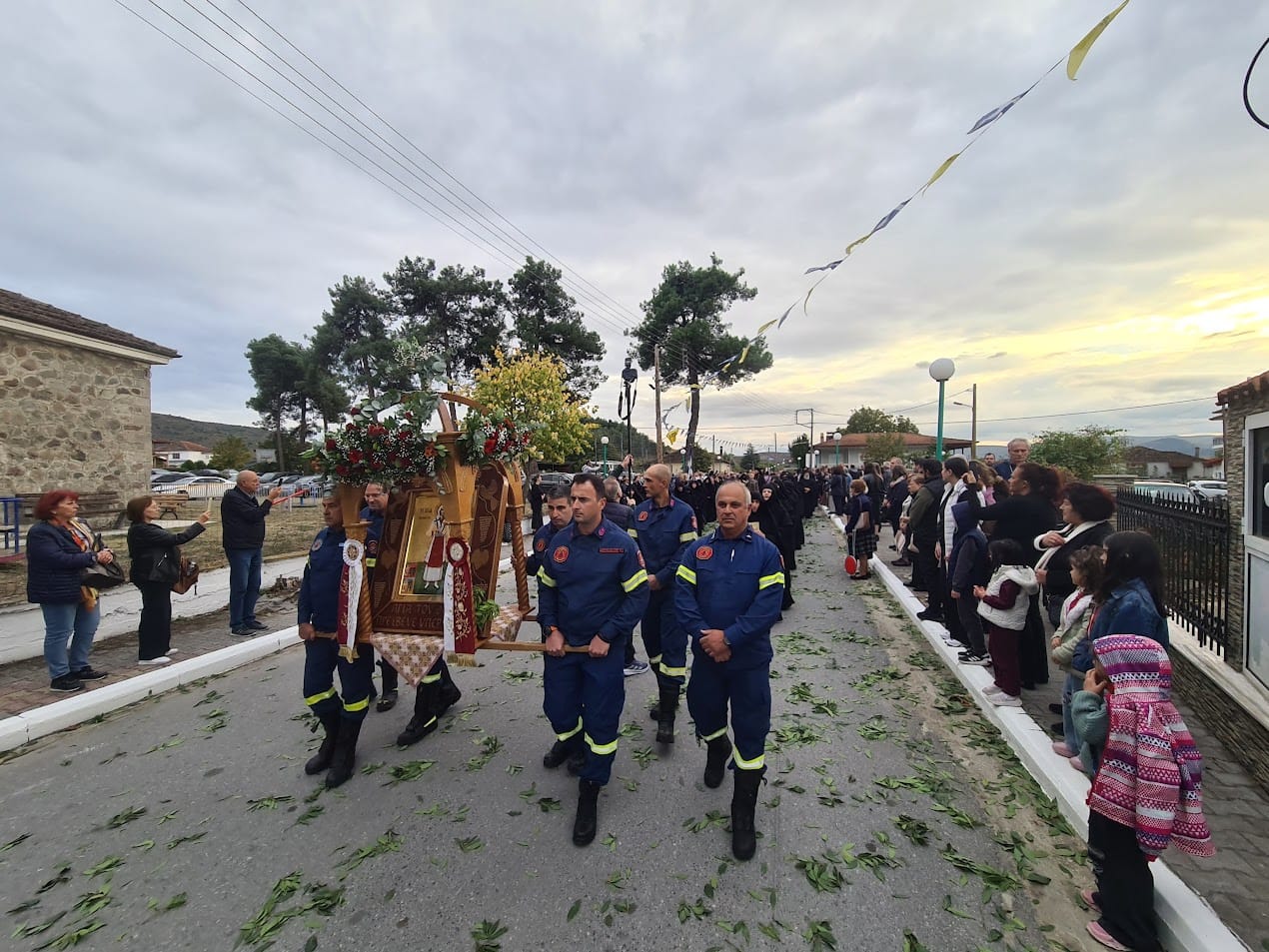
Photos: orthodoxianewsagency.gr
A large congregation and local officials attended the reception. Festal Matins and Hierarchical Divine Liturgy occurred on October 13, with daily Liturgies and the church remaining open throughout the week.
Previously, the UOJ reported that archaeologists discovered the presumed relics of New Martyr Konstantin Snyatinovsky.
Read also