Man and Church
The Parish Our Grandparents Built Must Have Room for Strangers
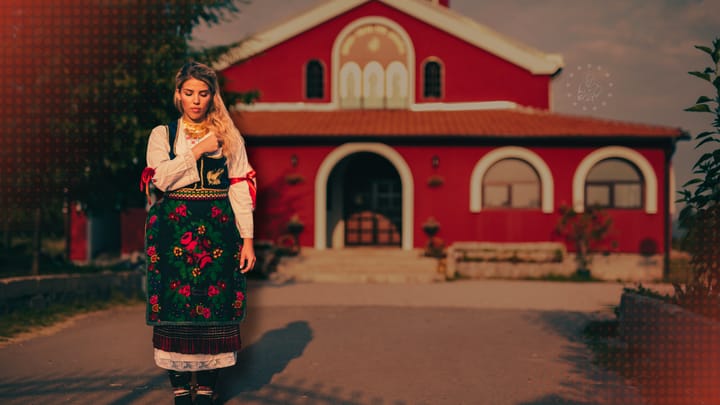
America’s Orthodox communities face the task of passing on a beloved inheritance while welcoming people who do not share its language or ancestry.
Perhaps one of the most common criticisms leveled at Orthodoxy by apologists for other faith traditions is that we are an “ethnic ghetto.” I won’t get too into the weeds on my response to those who say this, but as someone who grew up around the corner from a Hungarian Catholic Church and Korean Methodist Church (with services in those languages), I have always found the criticism of ministering to immigrant communities funny, hollow, and not a little bit hypocritical.
The fact of the matter is that, while Orthodoxy has existed in America in some form even since before the founding of the country, widespread Orthodox parish life is relatively new in comparison to most other Churches. This growth was driven by immigration from Orthodox lands: Greece, the Balkans, the Levant, Ruthenia, and – especially in the 20th century – the former Russian Empire. Naturally, then, the character of these parishes was always going to be “ethnic” until successive generations assimilated into American culture.