News
Ecumenical Patriarchate Canonizes Six Athonite Elders, Including Four Romanians
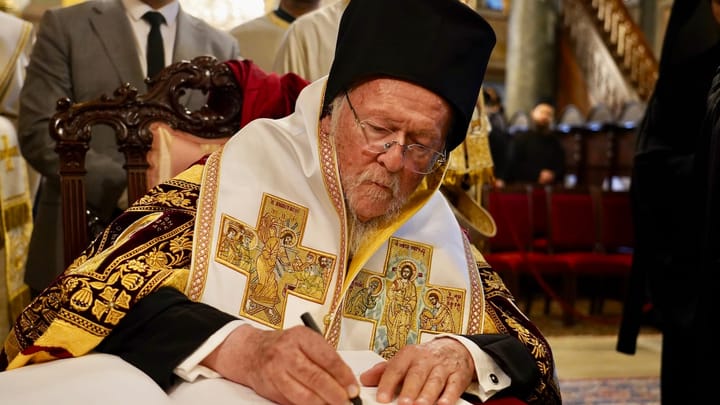
The Ecumenical Patriarchate formally canonized six revered Athonite elders, including four Romanian fathers whose lives of prayer, humility and ascetic struggle were warmly celebrated by Patr. Daniel.
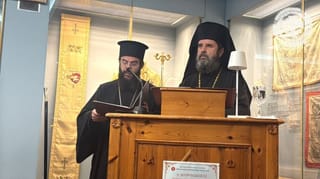
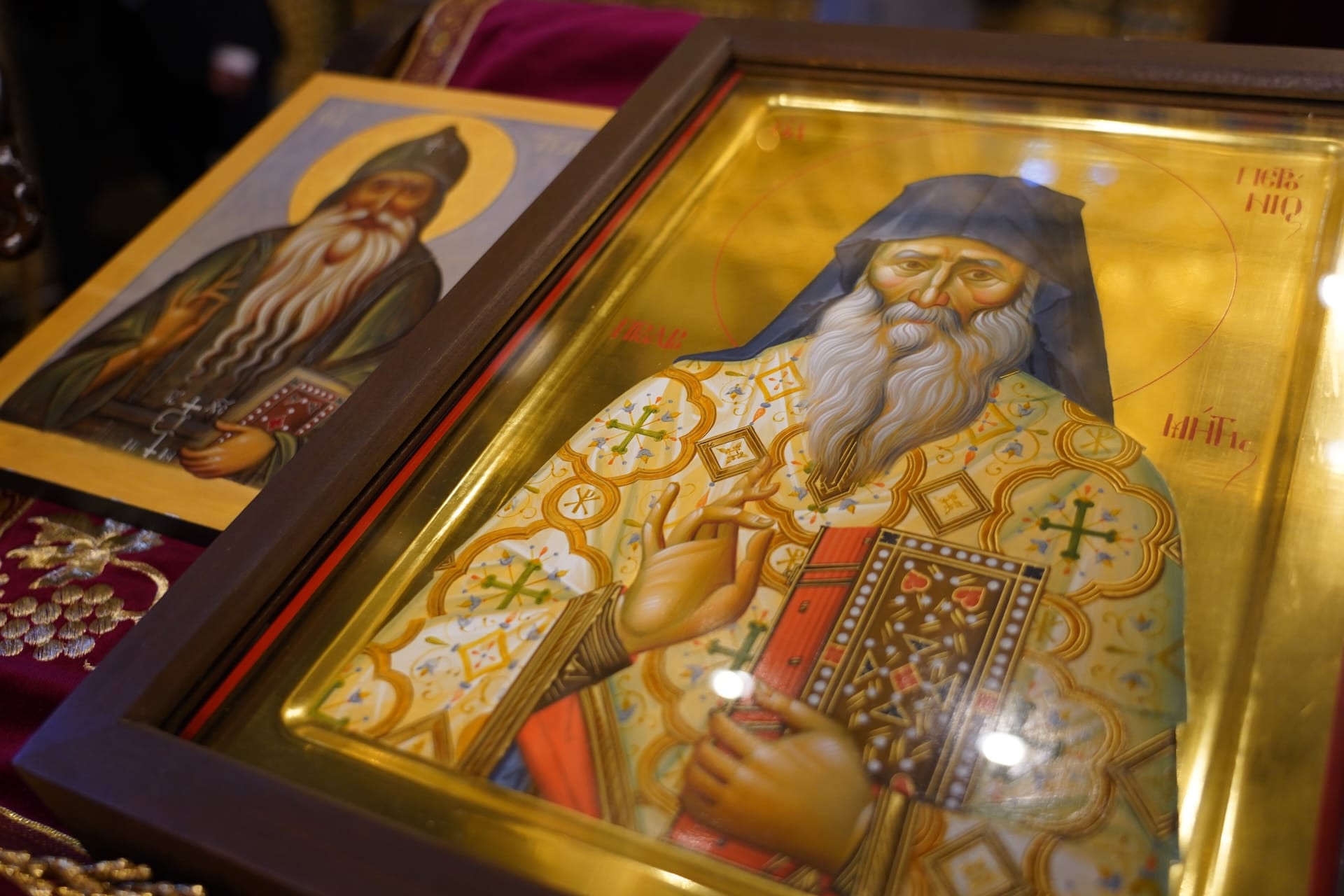
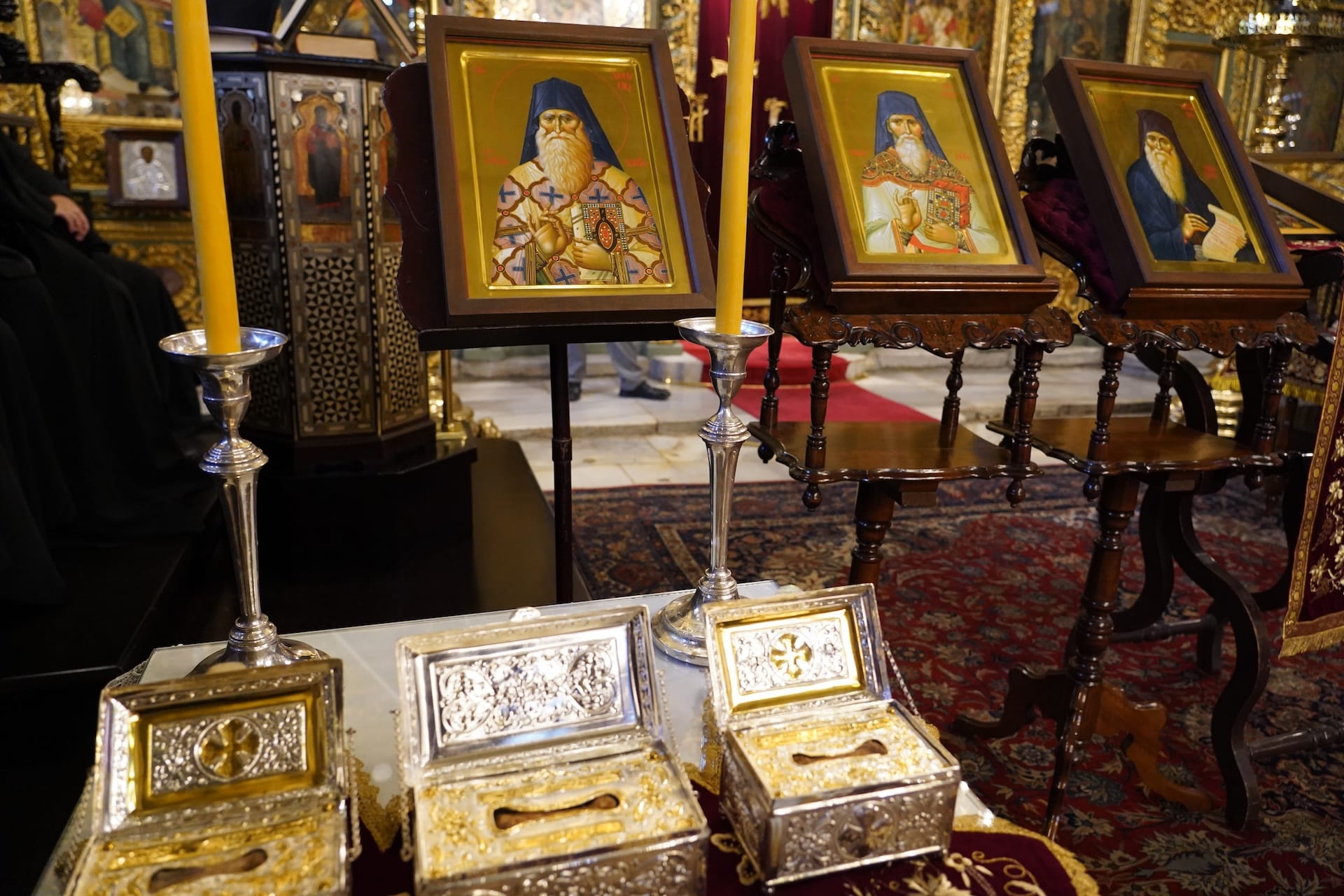
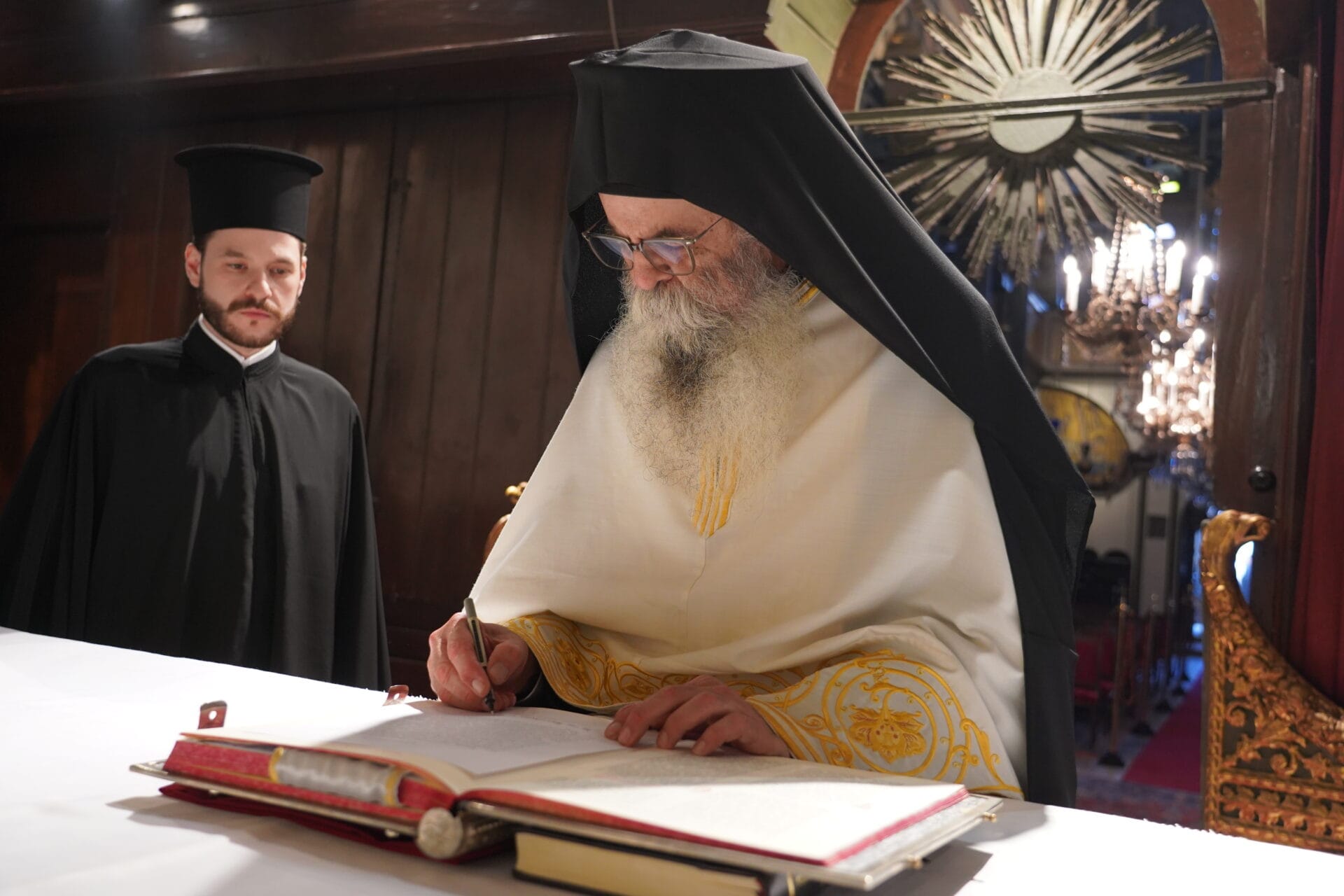
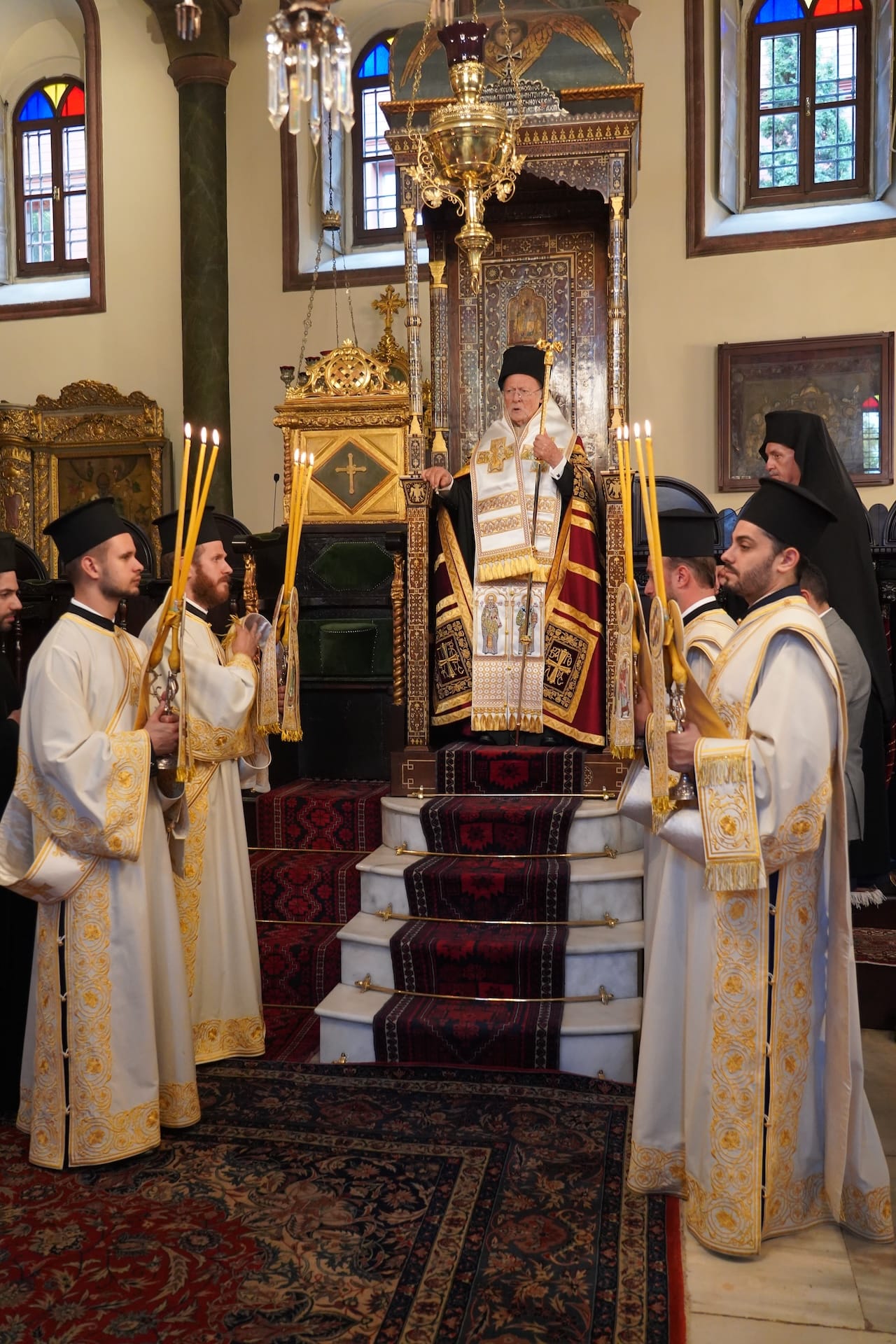
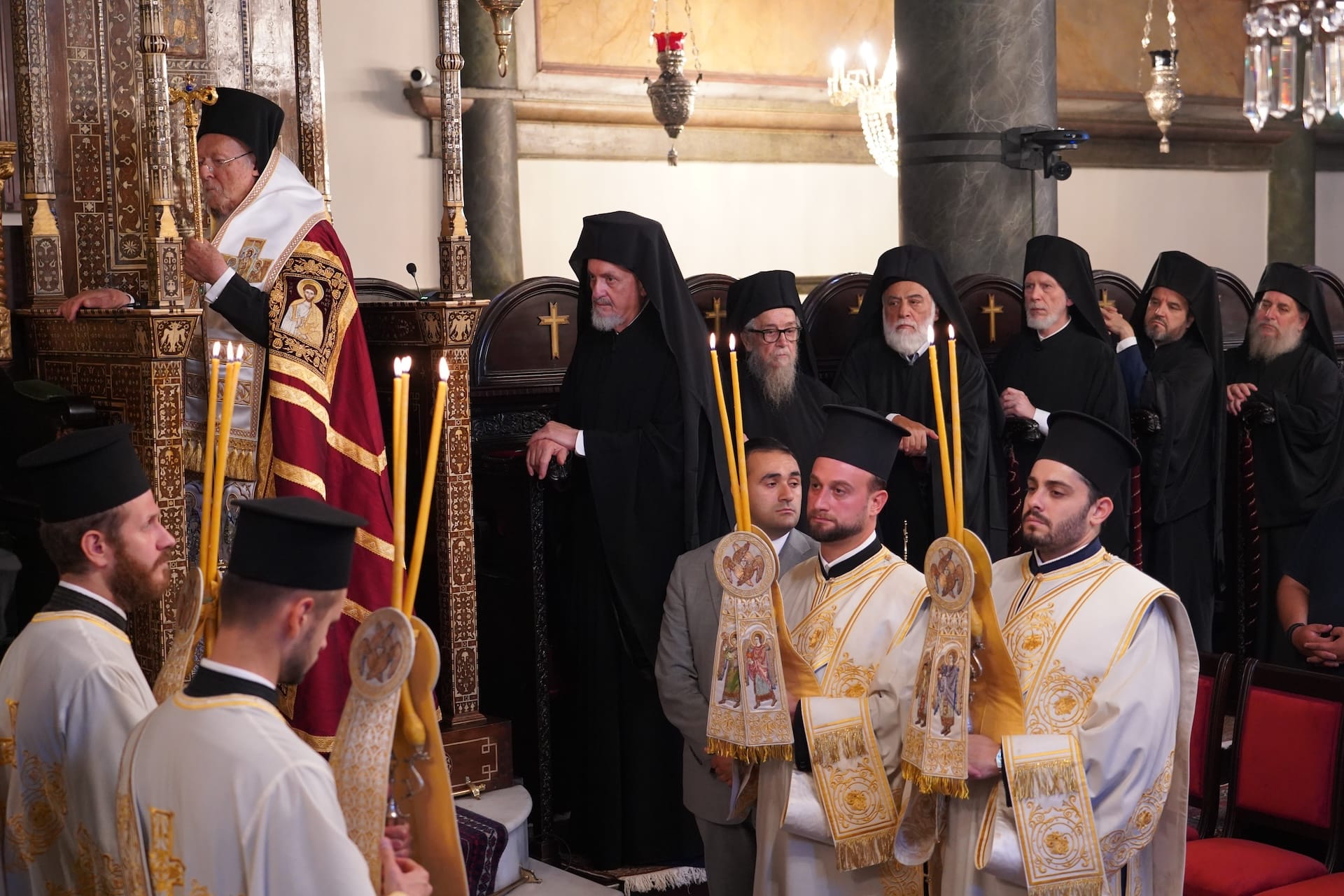
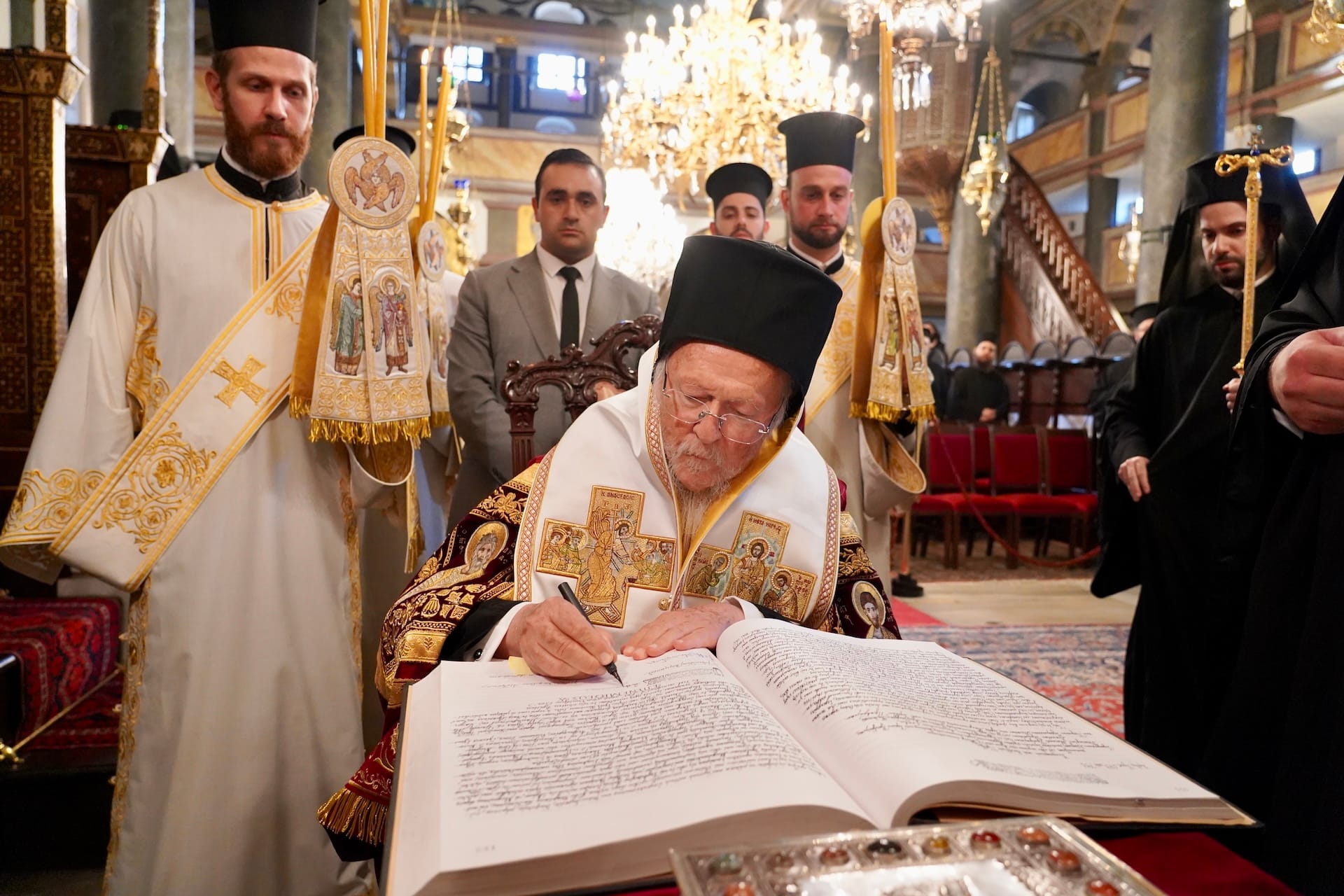
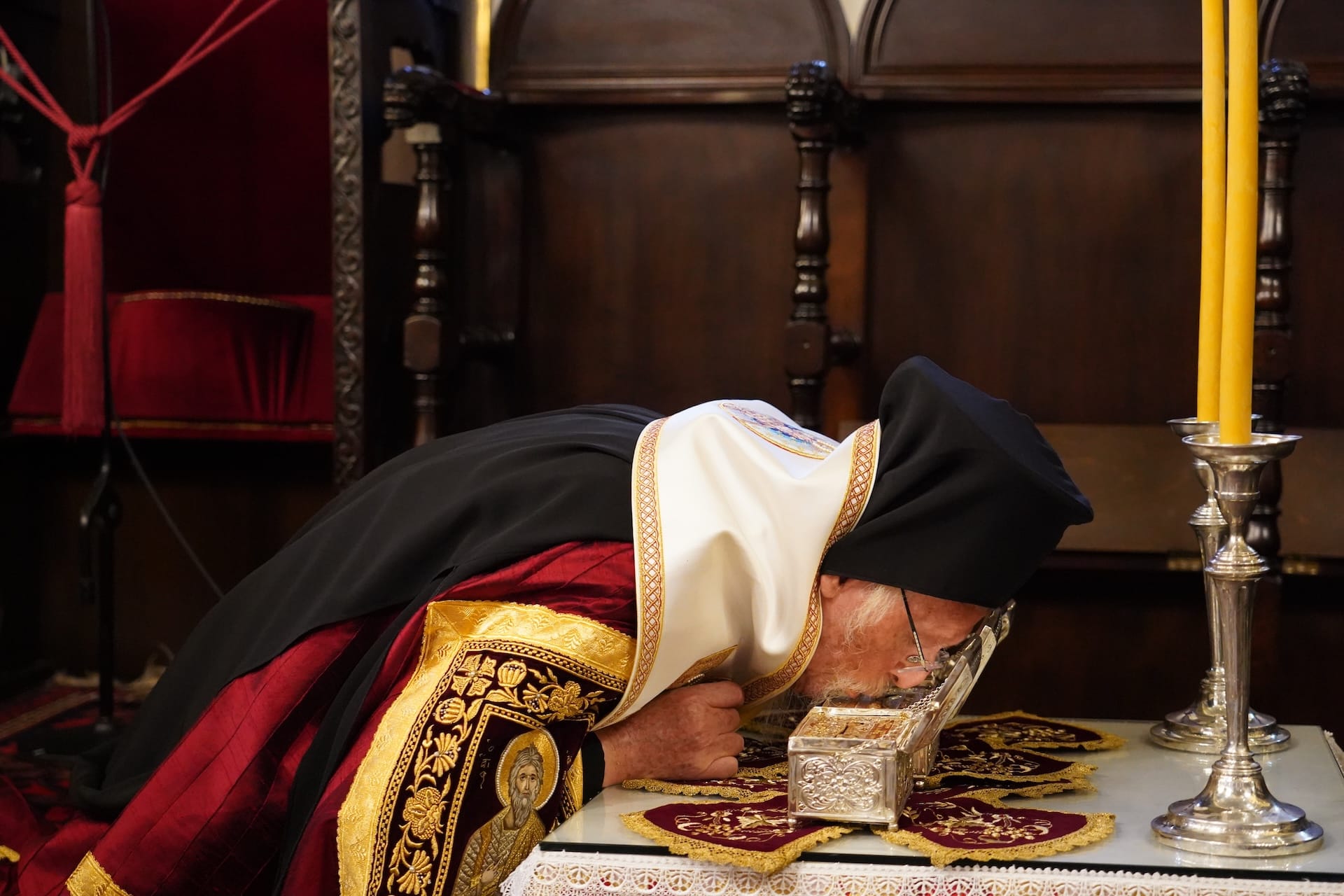
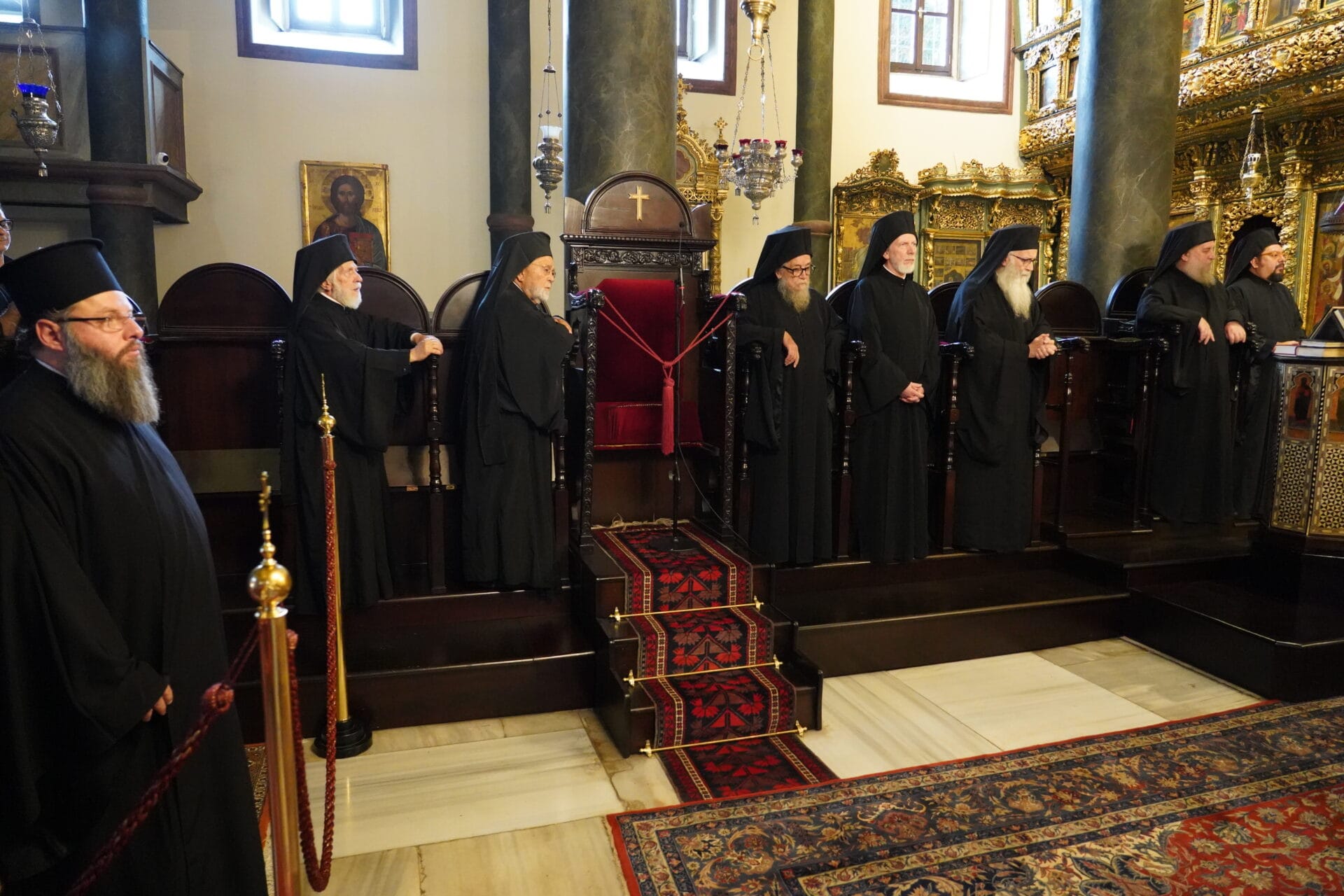
ISTANBUL — The Holy Synod of the Ecumenical Patriarchate convened on August 29, 2026, under the presidency of Ecumenical Patriarch Bartholomew, and considered the matters on its agenda before reaching the appropriate decisions. Following the conclusion of the Synod’s proceedings, ceremonies were held at the Patriarchal Church for the formal signing of the Patriarchal and Synodal Acts recognizing six Athonite fathers as saints.
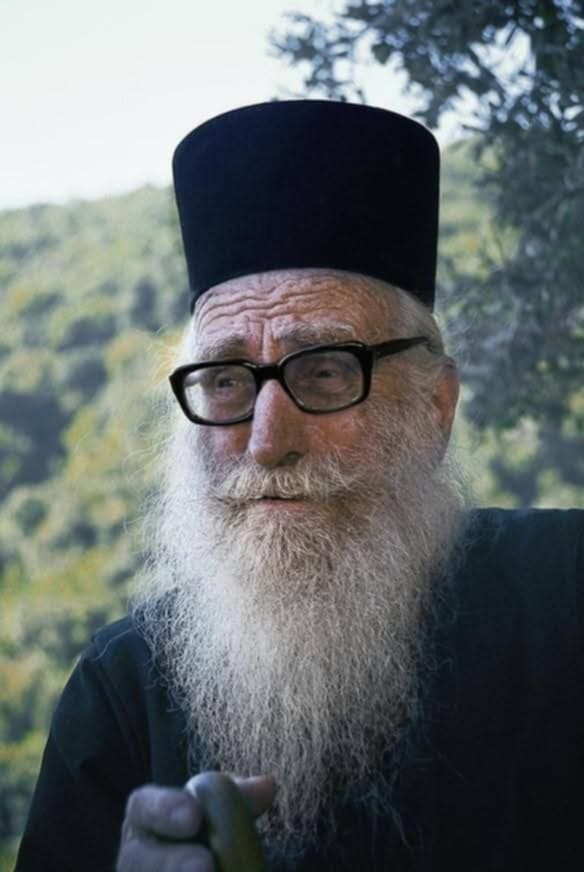
The newly canonized saints included four Athonite fathers of Romanian origin: Hieromonk Niphon, Monk Nektarios the “Protopsaltos,” Hieromonk Dionysios of Kolitsos and Hieromonk Petronius, as well as Hieromonk Tikhon the Spiritual and Monk George, known as Hadjigeorgis. The four Romanian saints represented different aspects of the Romanian presence on Mt. Athos. St. Dionysios of Kolitsos arrived at the Holy Mountain in 1926 and became renowned as a spiritual father, while St. Petronius arrived in 1978 and eventually served as Dikaios of the Romanian Skete of the Holy Forerunner, where he also served for many years as librarian. He was reportedly offered the position of Patriarch of Romania twice but declined it.
St. Dionysios left behind a particularly vivid body of spiritual counsel. Recalling the difficult early years of rebuilding the Skete of St. George, he said: “We were very tired, but we had joy within us, a lot of joy. The deprivation and the struggle we went through gave us joy. Back then we had few things. Now we have many conveniences but no joy.” He also taught, “The best prayer is at night after sleep. Because then the mind is rested and focused,” and urged monks to remain faithful to both personal prayer and the Church’s services: “The two wings of the monk are his personal rule and the sequence in the Church. Both must be without deficiencies.”
He also emphasized humility and self-examination. “When you make your rule, do not accept thoughts of condemnation for the brothers, that they are negligent, but reproach yourself that you are the most sinful and do what you are obligated to do, while the other fathers have virtues that you do not see,” he said. Speaking about the importance of perseverance in the monastic life, he recalled how the fathers once traveled on foot through the night to attend a feast at the Great Lavra: “We were happy to walk at night in the Garden of the Virgin Mary. At dawn we arrived at the Holy Water and caught the Divine Liturgy.” St. Petronius likewise became known for his humility and asceticism. Elder Adrian Făgățeanu described him simply as: “Petronius the Forerunner? The most humble, the most humble, the most humble.”
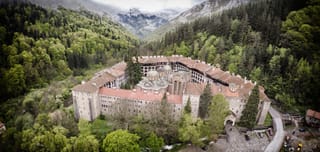
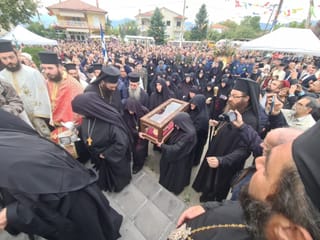
Photos: orthodoxianewsagency.gr
Patr. Daniel of Romania welcomed the canonization with profound gratitude, telling Patr. Bartholomew that the glorification of the four Romanian Athonite fathers constituted “an occasion of profound gratitude to God.” He emphasized that “the new Romanian Athonite saints strengthen the communion between the Orthodox Churches and contribute to the deepening of pan-Orthodox fraternal relations.” He further expressed confidence that “the liturgical commemoration and veneration of these new Romanian Athonite saints will bring rich spiritual fruits to the entire Orthodox world,” and prayed that the saints would intercede “for the peace, unity, and well-being of the Orthodox Church.” The canonization therefore not only honored six revered Athonite ascetics but also highlighted the enduring spiritual legacy of Romanian monasticism on Mt. Athos and its contribution to the unity and life of the Orthodox Church.
Previously, the UOJ reported that Romania declared Archpriest Aurel Munteanu a martyr and hero of the nation.
Read also